By Chef Alexis Hernandez
The Fridge Test
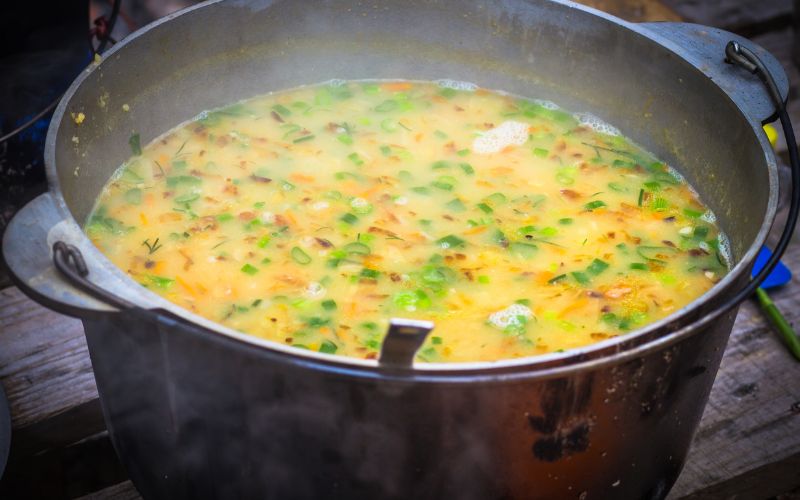
The best soup isn’t the one you eat straight off the stove. It’s the one that waits for you in the fridge.
I learned that at home, not in culinary school. Two days after baking a meatloaf—I made a cold sandwich that stopped me. It tasted better than the night it came out of the oven.
The same thing happened with tomato soup. Day one was good. Day two was rounder and deeper.
Time did something I couldn’t do with a whisk.

Why Waiting Works
As food rests, proteins break down and release amino acids. Those are the molecules your tongue reads as savory.
Sharp edges soften.
Flavors marry.
By day two, a good soup turns layered and complete.
You don’t need the chemistry chart.
You can taste it.
How I Served It At The Restaurant
When I ran my kitchen, we never ladled soup the day it was made. We chilled it, let it settle, then served it a day or two later.
Guests didn’t know the trick. They only knew the bowl felt finished.
Tomato soup thrives with rest. So do stews like Cuban carne con papas and beef braises.
Hearty bases welcome the slow knit of flavor.
Make it, chill it, reheat gently, and watch it bloom.
Not Every Soup Obeys
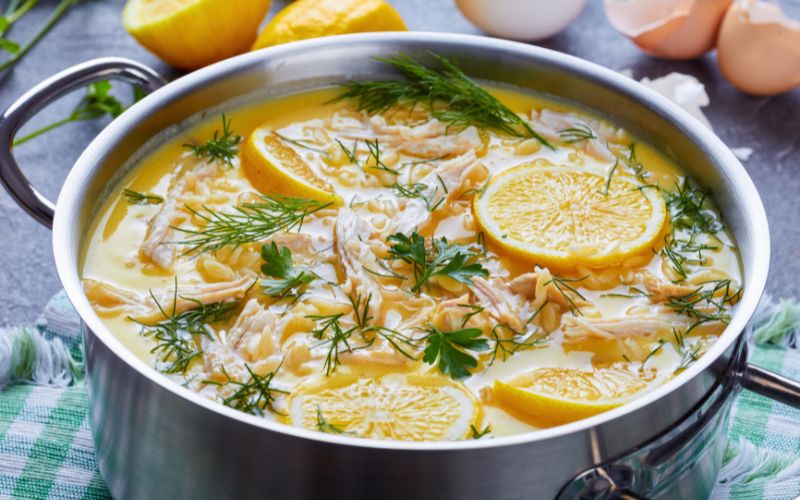
Chicken noodle is the rebel. By day two the noodles slacken and the broth clouds.
Keep the broth separate. Cook fresh noodles when you serve.
You get the depth of time and the snap of texture.
The Bigger Lesson
Patience has flavor. A pot of soup that rests overnight has more depth by the next day. You taste it right away. The bowl is better because you didn’t rush it.
You wait, and then one morning it shows off.
The bowl is better because you didn’t rush it.
And to the friend who insists soup is “best piping hot off the stove,” I smile, hand them a spoon on day two, and let the soup do the talking.