By Chef Alexis Hernandez
I thought I knew how the night would go
When we lived in Atlanta, and later when we first moved to South Tampa, we had people over the way we always do.
Burgers on the grill. Brioche buns. Good cheddar melting the way it should. One plate with no tomato because a friend hates tomatoes.
Frozen fries from the bag, but tossed in olive oil first — dusted with my seasoning so they felt like mine.
It was not elaborate.
It was just the kind of dinner I know how to give people. Thoughtful. Easy enough to keep moving. Good enough that nobody feels shortchanged.
Cocktails started at 6:30.
Dinner followed the shape I trusted.
Appetizers.
Plates passed.
Dessert.
Then the music shifted the way I always shift it once dessert hits the table.
Softer. Slower. More reflective.
That is usually the signal.
That is when the night starts winding down.
But the room ignored me
It didn’t happen.
Around 9:30, I remember thinking, Why is nobody leaving?
Not annoyed. Just curious.
Then around 10:00, someone finally said, “Oh, it’s getting late.”
Everybody looked at her like she had completely misread the room.
And then the conversation picked up again.
That was the moment I realized the night was not following the structure I had given it.
The music eventually stopped.
Still nobody moved.
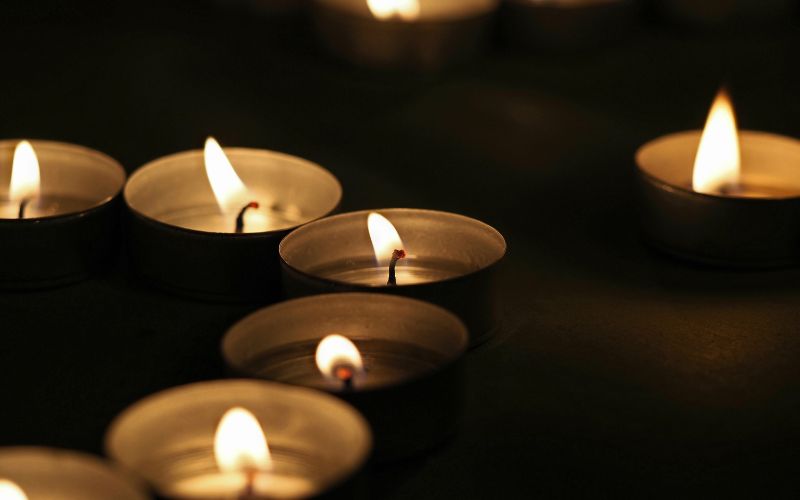
Tea lights curved down the center of the table. The candles threw just enough light to make the room feel smaller and warmer.
Some people stayed in their chairs. Some drifted into the kitchen. My other half was rinsing plates while having a lively chat with a friend. Even cleanup had lost its usual meaning.
No one checked a phone.
No one reached for a coat.
At some point, there was no cue left to give.

The part I didn’t know how to plan for
That is what stayed with me.
For a long time, I thought hosting was mostly about readiness.
Timing the food. Setting the music. Clearing plates at the right moment.
Keeping the evening moving so no one ever felt the gears.
That matters. Of course it does.
But it is not the thing people remember most.
What I did not understand yet was that the best nights stop needing your help.
You set the table. You light the candles. You leave the tomato off one burger because it matters to somebody. You make the fries yours — even if they started in a freezer bag.
Then, if you are lucky, the room takes over from there.
What I remember now
I spent a long time thinking a good host knew how to move the night along.
I thought I was the one carrying the night.
Then, somewhere after dessert, it stopped needing me.