By Chef Alexis Hernandez
The first time a recipe failed me
Recipe cooking times sound like promises when you are new to the kitchen.
The first time I learned they were not was when I was living in my first apartment in Chicago.
I was with my best friend John, and for some reason I liked cooking everything on high heat.
The flame had to hit the pan hard. That felt like real cooking to me then.
It was April, which in Chicago is not really spring — just a sign that it might be coming.
The city still felt gray.
The air still felt cold.
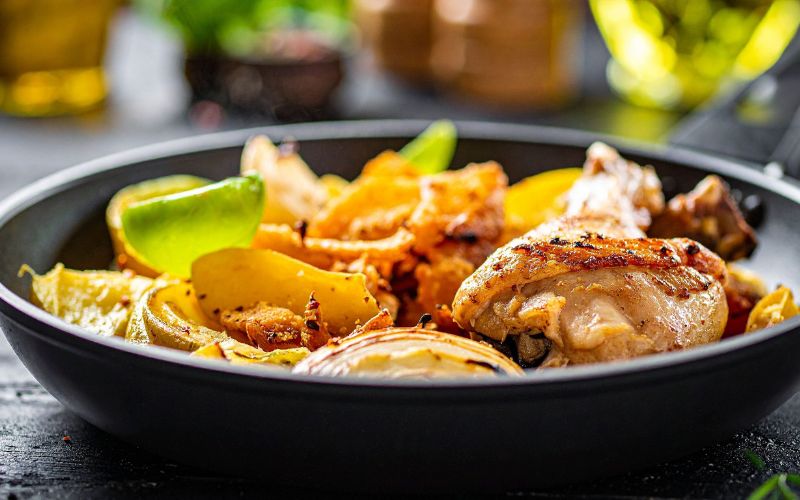
So baked chicken and onions sounded like the kind of dinner that could warm up a small apartment and make me feel like I knew what I was doing.
I was reading a recipe from Martha Stewart Living.
Back then they had those little pull-out recipe cards.
I loved them. They made cooking feel possible.
This one called for baked chicken and onions.
The recipe said two onions, thinly sliced.
That sounds simple now. It did not sound simple then.
What kind of onions did she mean?
The big sweet ones or the smaller yellow ones with the tough brown skins?
What counted as thin? I did not own a mandoline.
I was just standing there with a knife, doing what I thought thin meant.
I used two small yellow onions with those tough brown skins and sliced them thicker than I realized.
Then I put them in the pan with the chicken and shoved the whole thing into a 450-degree oven.
I did not know then that rack placement mattered.
I put the pan on the upper rack.
Boy, did that apartment get hot.
And when it came out, the chicken was cooked, but the top looked burned.
The onions had made the whole place smell wonderful, but they were still crunchy.
I remember looking at that pan and thinking, How did Martha Stewart get a magazine?
What the recipe couldn’t see
The recipe did not know I was using thick slices.
It did not know I had put the pan on the top rack.
It did not know my apartment oven ran the way it did.
That is the thing recipes cannot do. They cannot see your pan, your knife work, your oven — or how thick you sliced the onions.
Back then I thought recipes were contracts.
It took me a while to understand they are directions — not guarantees.
What I look for now
The smell of onions when they finally lose that raw edge.
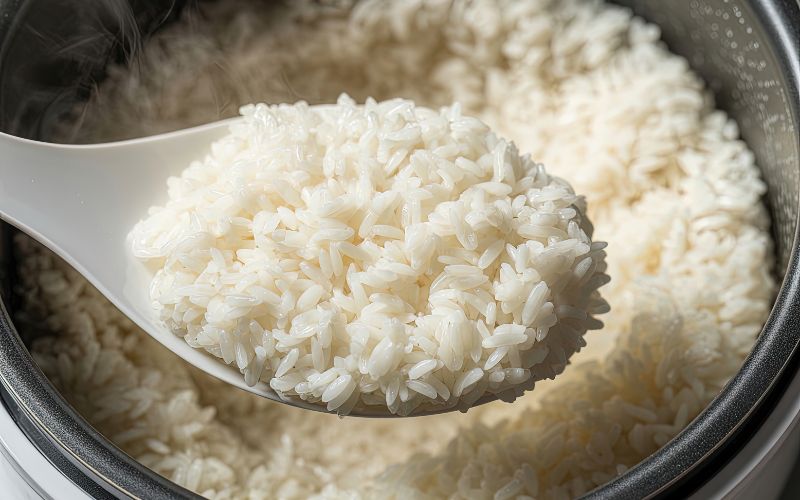
Rice when it blooms, because regardless of time, you can smell when it gets there.
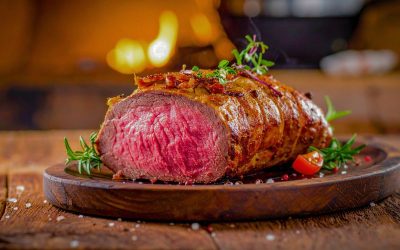
The way a filet pushes back when I press it with my finger.
That came with time.
With cooking the same things again and again until I stopped asking only what the recipe said and started paying attention to what the food was telling me.
That is also why, when I write recipes now, I try to give people more than a number.
I will say cook for five minutes, or until the onions have a little color.
Then I will say stir until it smells nutty.
I do that because not everybody knows yet.
I remember what it felt like to follow the time and still not get where I thought I was going.
My oven lies
I always say my oven lies.
People laugh when I say that, but I mean it.
Someone will ask me how I cook flat bacon, and I’ll say thick-cut bacon takes about 14 minutes at 425.
Then later they will tell me it took longer and ask if the recipe was wrong.
Usually the recipe was not wrong.
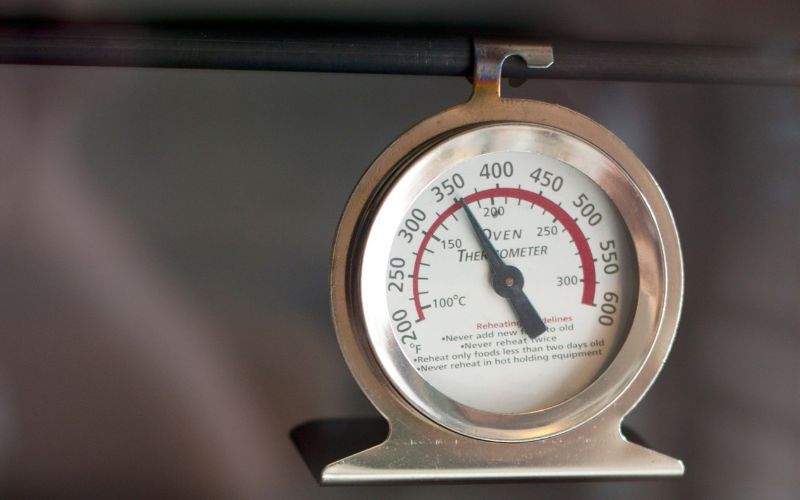
Every oven is a little different. My ZLINE might say 425, but when I put a thermometer in there, sometimes it is really 420.
Sometimes 422F.
That matters.
That is why I always calibrate recipes to my oven.
And if I move and start cooking those same recipes again, especially when I am baking, I have to learn the oven all over again.
The bread that should have told me sooner
I learned that lesson again later with Irish soda bread.
I was living on our farm by then, and I was baking it in an electric oven at home.
I had made Irish soda bread all the time at a restaurant where I was working in Louisville, so I knew the recipe well. Or at least I thought I did.
The recipe said bake it at 375 for 55 minutes.
So I let it go to 55 minutes.
And it burned.
Was the recipe wrong?
Not really.
I should have watched.
That is the trap—familiar recipes make you think the clock will carry dinner for you.
It will not. Not if the oven is different. Not if the heat lands differently.
Not if you stop paying attention because the number on the page feels more reliable than your own senses.
What the recipe really meant
This is where a lot of people lose confidence. The recipe said five minutes, so if the onions are still pale, they assume the problem is them.
Most of the time, they are just learning what done looks like.
Done is something you learn to see. It’s the same kind of attention I wrote about in Small Acts of Resistance, Like Adding Salt.
Not as a number first, but as a change. Onions softening and picking up color.
Rice blooming. A filet giving just enough when you press it.
The food tells you first.
The timer just tells you when to start looking.
Now when I see a recipe time, I read it differently.
I do not hear a promise.
I hear a warning.
Start checking here.
Do not walk away now.
Use your eyes, nose and hands.
The recipe said five minutes.
The onions were still pale.
And maybe that was one of the first real lessons I ever learned in the kitchen.
Food is rarely done because the clock says so.
It is done when it finally looks back at you and says, now.