By Chef Alexis Hernandez
Summer does not arrive all at once
Summer does not arrive in my kitchen on a specific date.
It creeps in slowly, somewhere between the last cool-season greens and the first watermelons stacked high at Detwiler’s. I start to see cantaloupes, Florida peaches, early avocados. The air gets thick. The days stretch. The storms roll in right on schedule.
In Tampa, the pattern is reliable. Clear mornings. Towering clouds by afternoon. A quick, angry downpour that leaves everything greener than it was an hour before. The heat settles in and stays.
I felt this shift long before Florida, on our farm in Indiana. The farm sat in a valley, cooler than most places around it. One early summer, when the outside air was hovering around eighty-three, I decided a pot roast would be a great idea. I turned the oven to 350 and within an hour the house felt like a sauna that smelled like dinner.
The aromas were beautiful. The heat was not.
That was the year I thought, I am not doing this again.
Less oven. Fewer thick reductions. More food that does not fight the season.
Every year since, there comes a day in late May or June when I walk into the kitchen, feel the weight of the air on my shoulders, and quietly update my rules for how I cook.
I stop treating the oven like a space heater
In winter, I love braises that go on for hours.
Lamb shanks that perfume the whole house. Beef that slowly surrenders in red wine. Those are the dishes that make me hum nonsense songs under my breath, little melodies that do not exist anywhere but in my kitchen. They make me happy.
Summer asks for something different.
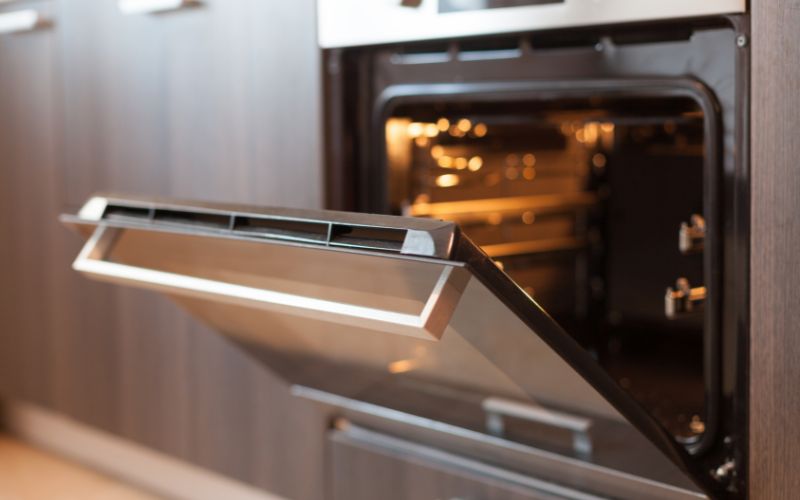
I do not ban the oven completely, but I stop using it as if the air outside were not already working against me. Roasting vegetables for an hour in January feels comforting. Doing it in June feels aggressive — not comforting.
So I change the timing. If I know I need the oven, it becomes an early-morning or late-evening activity.
I will roast vegetables at eight in the morning, let the kitchen warm up while the day is still soft, then reheat them later on a pan on the grill outside.
The food is still good. The house is not punished for it.
That is the new rule.
The oven can have its moment, but it does not get to turn my kitchen into a bedroom-sized sauna at four in the afternoon.
The sauces can calm down
There are sauces that want a commitment.
Béchamel that needs constant attention. Hollandaise that insists on just the right temperature. Reductions that require you to hover, whisking and watching so they do not split or scorch.
In cool weather, I have patience for that. When summer starts, that patience evaporates with the first ninety-degree day.
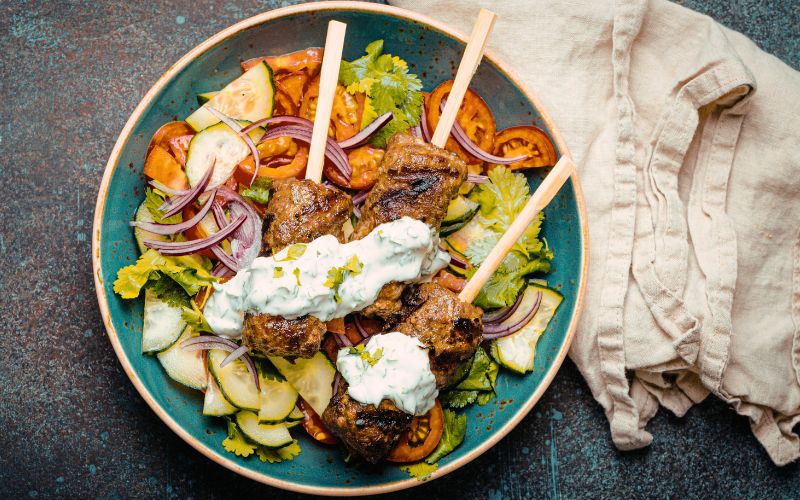
The whisk goes back in the drawer more often. Yogurt sauces take over, bright with garlic and herbs.
Flavored vinegars, fruity olive oil, and flaky salt do more work. A bowl of chopped tomatoes with their own juices and a trickle of acid feels like enough.
The food does not become less delicious.
It becomes less demanding.

I stop apologizing for assembled summer food
By then I know better than to pretend every dish belongs in every season. Some things can wait — lasagna can wait, braises can wait. Summer has its own appetite.
I think about a trip to Paris one July, when our apartment was in the Latin Quarter. I spotted a box of gazpacho at the Monoprix and bought it first as a mixer for Bloody Marys.
The next day, after walking all over the city, we went back to the apartment, tore up some crusty bread, poured the gazpacho into bowls, added good olive oil and salt, and called it dinner.
No one suffered.
That same spirit shows up on my table in July in Tampa. Cut tomatoes with basil and olive oil. Ricotta on toasted bread. Good cheese, fruit, and a plate of smoked salmon with capers, olives, and herbed cream cheese. Enough to build a dinner without turning the stove into a punishment.
I do not just crack open jars and leave spoons in them. I am not an animal.
Arranging is its own kind of cooking. It takes thought, restraint, and a sense of what belongs together.
In summer, I stop apologizing for meals that are mostly assembled.
They are intentional, not lazy.
The room gets a vote
Heat has a way of telling the truth about a room.
In Tampa, if I stood barefoot on the tile too long, my feet would start to sweat and the floor would go slick. In shoes, I was safer but less comfortable. The kitchen caught the west sun right when I was supposed to be getting dinner together, and by then the room already felt hot enough.
The food tasted great to everyone at the table. To me, it was hard to enjoy when my body felt like it was still inside the oven.
Now I notice those things. Where the heat lands. Which rooms hold it. Whether dinner makes sense for the room I am standing in.
There is a reason old houses in hot places often had separate kitchens. People understood that cooking could not live in the same room as sleeping if you wanted to make it through summer.
I am not moving my kitchen outside, but I can move some of the heat there.
I can grill instead of roast and certainly I can roast early instead of at five in the afternoon.
I can let the past teach me without copying it exactly.
I stop fighting the season
What I really stop doing when summer starts is pretending the season is optional.
I stop acting as if turning on the oven for hours is neutral and I stop building menus that fight the room instead of listening to it.
In place of that, I choose something smaller and truer — less oven, fewer fussy sauces, more meals that make sense in the heat.
I have cooked for a living and still had to learn this at home.
By the time July arrives and it is officially too hot to care, I am already there.
Not because I gave up.
Because by then I have usually figured out what kind of dinner the room can hold — and what kind it can’t.