By Chef Alexis Hernandez
The light changes first
I notice it outside before I notice it in the kitchen.
The light in the evening is not as yellow anymore.
It gets whiter.
Colder.
The sun drops faster, and when I walk Misa, I start seeing leaves move across the ground instead of just sitting there.
There is a breeze. Not a dramatic one. Just enough to make the neighborhood feel like it is settling earlier than it did a few weeks before.
That is usually when dinner starts changing too.
Not all at once.
I do not suddenly stop using lemon or herbs or balsamic and start pretending I live inside a stew.
I just use those things differently.
In summer, I want acid to show up first — bright and obvious. I want it to wake the food up.
By October, I still want brightness. I want it underneath something deeper.
That is when dinner starts getting darker.
Lamb shanks are one version of it
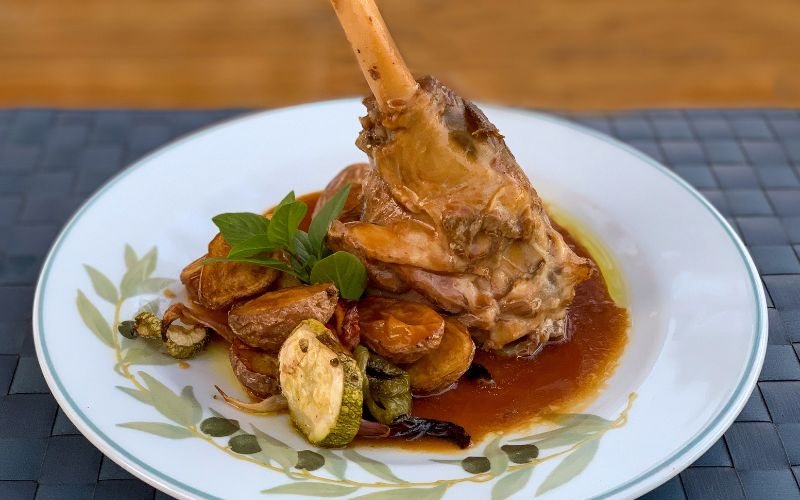
For me, one of the clearest versions of that shift is braised lamb shanks.
There is nothing like the body they give a sauce. The gelatin they release changes everything. The whole pot starts to feel fuller, deeper, more settled.
Some people say lamb has a distinct flavor like that is a problem.
I understand what they mean, but I do not cook that way.
I do not spend my time trying to make lamb taste less like lamb. Beef should taste like beef. Chicken should taste like chicken. Lamb should taste like lamb.
It is as ridiculous to say you like chicken but do not like the chickeny taste as it is to say lamb should not taste like itself.
What I want is not a disguise.
What I want is support.
A little preserves in the braising liquid. Something fruit-based to keep the whole thing lifted.
Not sweet.
Not sticky.
Just enough to hold the darker parts up.
That is the kind of dinner I start wanting when the nights come earlier and everything in the neighborhood seems ready to go quiet before I am.
The same ingredients, different mood
That is really what changes for me this time of year.
Not the ingredients. The way I use them.
Tomatoes are a good example.
In summer, I want them raw. Salted. Sharp. Maybe a little olive oil, maybe balsamic, maybe herbs.
I want them bright enough to carry the whole plate.
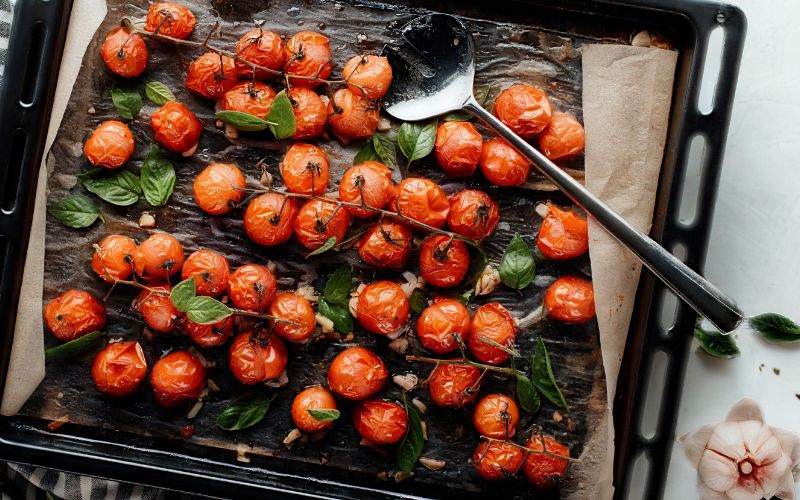
By October, I still want tomatoes. I just want them roasted.
I want them collapsed, concentrated, darker around the edges. I want their sweetness pulled forward and their brightness pushed lower into the bite.
Same tomato. Different mood.
It is like the difference between a pilsner in summer and a stout in fall.
Both have their place. One refreshes. The other settles in.
That is what happens to the rest of my cooking too.
Greens get darker. Kale. Swiss chard. Onion and garlic start showing up differently.
Worcestershire makes more sense. Coffee in a marinade makes sense. Cinnamon, anise, cumin — not in a loud way, just enough to make the whole thing feel deeper.
The food does not stop being itself.
It just starts leaning toward its shadow side.
The farm taught me that too
I remember one night on the farm in October when I felt that shift clearly.
I had pulled a pork roast from the freezer and let it thaw. I marinated it with Worcestershire, coffee, cumin, and chocolate. Not enough chocolate to make it strange. Just enough to deepen it.
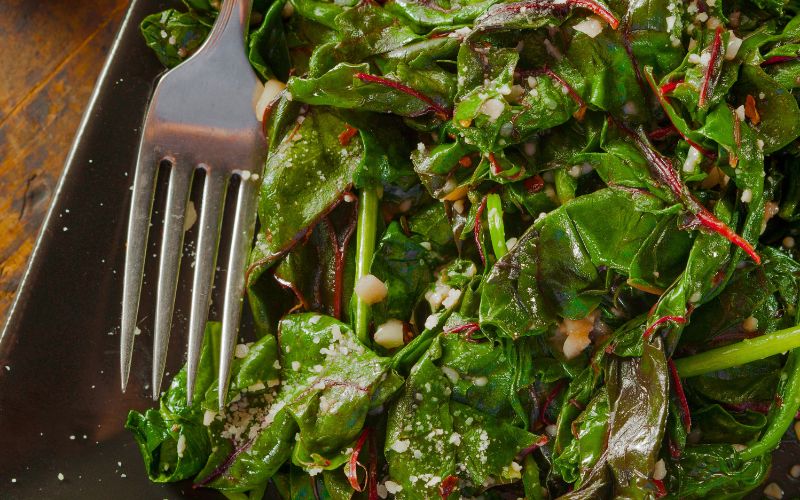
There was some random chard from the garden, so I sautéed it with garlic and onions and finished it with aged balsamic.
That dinner was not trying to be dramatic. It just tasted like the time of year. Richer. Darker. More willing to sit in the oven and let the oven do its job.
That is what I want once October starts feeling like itself.
Not brighter food pushed into a colder month.
Food that understands where we are.
By then, I want something deeper
By then, I do not want dinner that disappears the minute it hits the plate.
I want something that lingers in the room a little.
Something that stays with me while I take off the day and settle into the night.