By Chef Alexis Hernandez
The soup that was already good
The first time I understood what a green apple garnish could do for soup, I was standing over a pot of pumpkin soup that already smelled finished.
Cinnamon. Nutmeg. Ginger in the background.
It tasted good too. Warm, smooth, comforting.
The kind of soup a lot of cooks would stop touching because it was already where they wanted it.
Our chef did not stop.
He tasted it, looked at the pot, and said, “Bring me the green apple. Wash it first.”
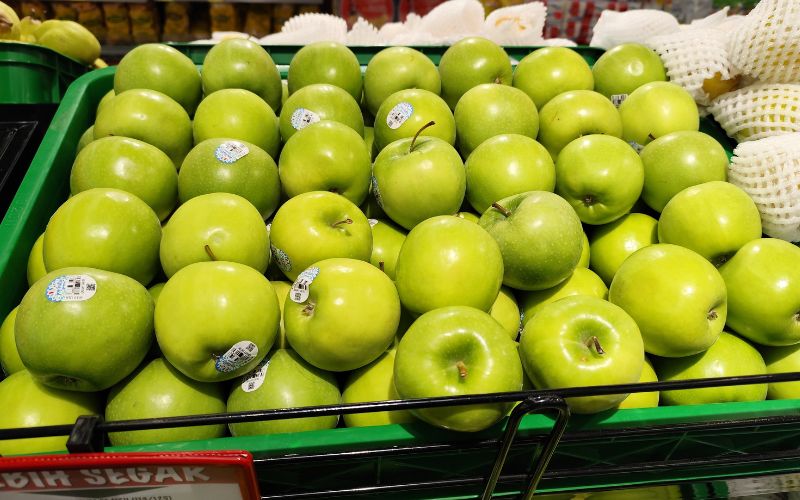
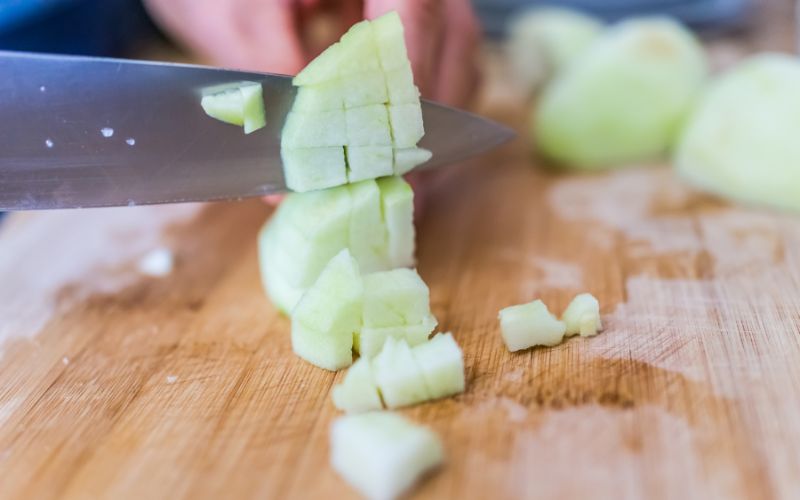
He peeled a Granny Smith and cut it into a clean dice, about a quarter inch.
Then he scattered it over the soup — the change was immediate.
The sweet smell of the apple lifted the spices and made the whole bowl feel brighter.
Not sweeter and it was not dessert. Just lighter on its feet.
That was when I understood the difference between garnish and a finish.
Not everything added at the end is decoration.
Sometimes it is the thing that wakes the whole dish up.
The restaurant version
That lesson stayed with me.
At the same restaurant, the chef did something similar with potato soup. He would take red onion, cut a small dice, soak it briefly in water with a capful of vinegar, then spoon it over the top right before service.
The onion stayed raw, but the harsh edge backed off.
What you tasted instead was lift, crunch — a little bite that kept the soup from going sleepy.
When I opened my own restaurant, I stole that lesson and made it mine.
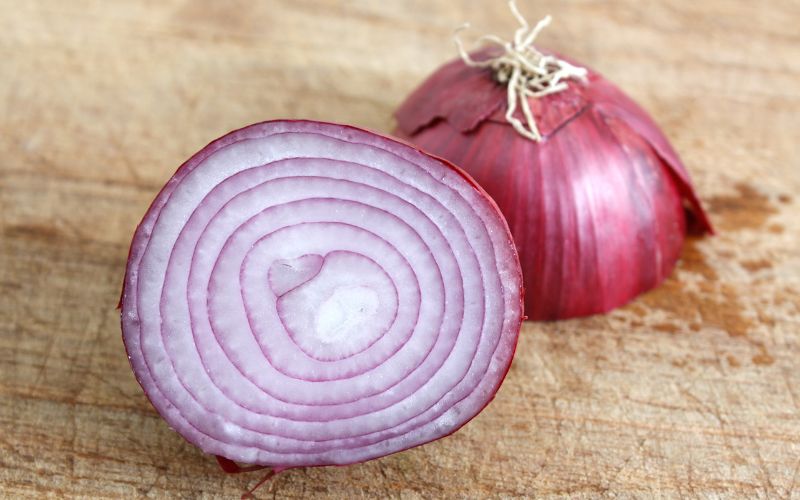
I started slicing red onions paper thin, leaving the rings whole, and twisting them into loose shapes.
We called them paper onions. They went on salads, over chicken, next to a filet — anywhere the plate needed something fresh and sharp.
People would tell me they did not like raw onions.
Then they would eat the dish anyway.
Amy and the onions
My friend Amy was one of those people.
She ordered a salad and said, “No onions.”
“Try it the way it comes,” I told her. “If you hate it, I’ll take the blame.”
She took a bite, chewed, then went back for another.
“That’s delicious,” she said.
Then she looked at me like she had caught me in something. “It didn’t need onions.”
“It didn’t need chunks of onion,” I said. “It needed this.”
That is why I sliced them like paper.
Not to show off. To make the bite feel alive.
The blue cheese that changed after an hour
I see the same thing at home with dressing.
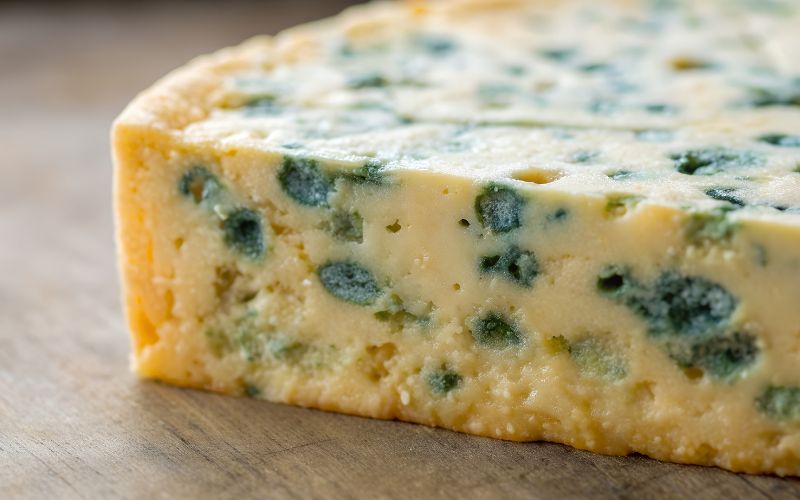
Blue cheese dressing is already good. Tangy. Salty. Rich. But if I finish it with chopped scallions, both the white and green parts, it turns into something else.
I made it once and had my friend Jeb taste it before the scallions went in.
“This is really good,” he said.
Then I stirred in the scallions and let them sit for about an hour.
“Now taste it,” I said.
He did, and his face changed.
“Wow,” he said. “That’s amazing.”
Same dressing. Same base.
But the scallions brought the high notes. Freshness. Sharpness. A little snap.
That was the difference.
What I reach for now
This is the part a lot of home cooks skip because it feels optional.
They build a dish, taste it, and if it still feels flat, they reach for more salt. More acid. More heat.
Sometimes they are right.
But sometimes the dish does not need more seasoning. It needs contrast.
Something green. Something raw. Something with a little attitude left in it.
A torn basil leaf over tomato sauce. Chives over a baked potato. Mint in a drink.
A thin onion ring that still has a little bite. A dice of green apple over soup that was already good five minutes ago.
That is the move I look for now when a dish tastes finished but not alive.
And every time, I still hear him.
“Bring me the green apple. Wash it first.”