By Chef Alexis Hernandez
Paris, early, and a bowl that needed bite
Dishes fall flat when you don’t think about texture, and I think about it all the time.
One December morning in Paris, my family was still asleep and I slipped out to the market.
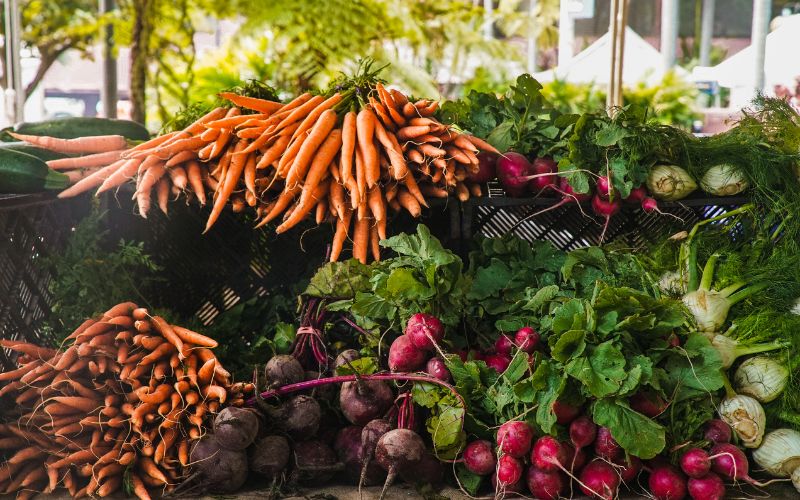
It was gray and cold, the bakeries just lifting their metal grates, and I bought carrots because they were beautiful and cheap.
Most dinners on that trip were braises I could make ahead and rewarm after a day of wandering, but even with a braise on deck, I wanted a vegetable that felt alive on the plate.
Standing at the market, I thought, I can roast these, but they’ll need a textural lift.
Roasted carrots taste good on their own, but they taste better when something crisp lands on top.
I ducked into Monoprix and found a small jar of capers.
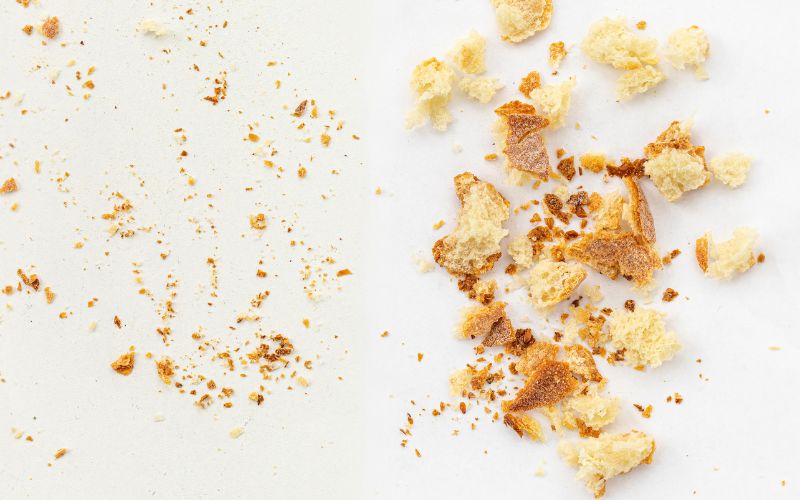
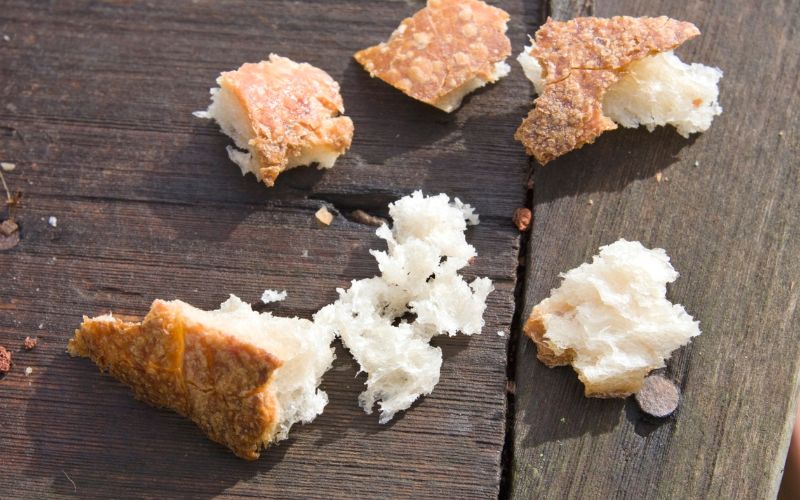
Back at the apartment, I fried them until they bloomed and went crinkly at the edges. I took a stale heel of bread, dried it hard in the oven, and chopped it into rough crumbs.
The carrots roasted in brown butter with a little salt. At the end, I scattered the capers, tossed on the warm crumbs, and spooned a little of that briny oil over the tray.
My sister took a bite, looked up, and said, “Wow. Who knew a carrot could taste this good.”
Why crunch changes the dish
When people are truly hungry, they don’t reach for purées. They reach for something that breaks.
That first crisp bite signals freshness. It wakes up everything around it.
Texture keeps sweet from feeling flat, keeps soft from turning dull, and makes simple food feel deliberate instead of accidental.
The funny part is that we don’t just taste crunch—we hear it. A loud, clean bite reads as fresher and more satisfying than a quiet one.
That’s why a small, well-made crunch at the finish can change the whole plate.
How the move followed me home
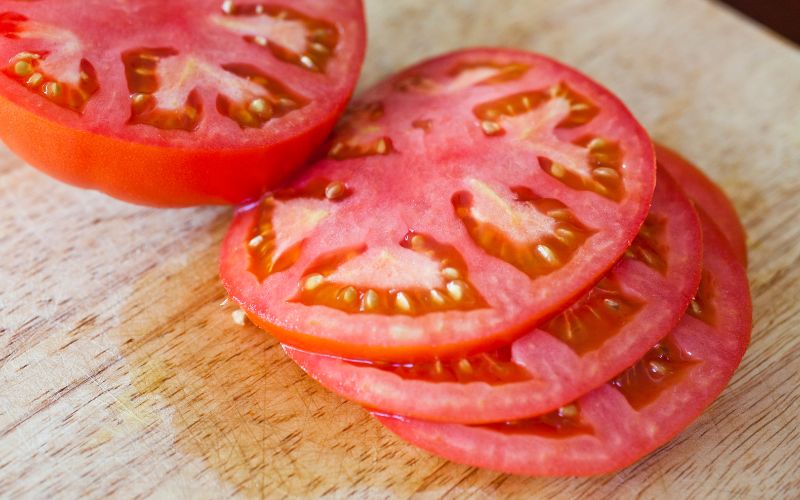
Months later, I was back in my own kitchen, looking at a tomato salad that was perfectly seasoned and still needed something.
I warmed a slick of olive oil, tossed in torn bread, and let the pieces turn fragrant and light.
A handful over the salad, and the whole thing opened up.
Same idea as Paris—different ingredients.
That was the lesson that stayed with me: when a dish is almost there, texture is often the last seasoning that makes it feel finished.
What I reach for when a dish needs bite
My weeknight rotation is simple.
Olive-oil breadcrumbs from day-old bread.
Fried capers when I want brine against sweet.
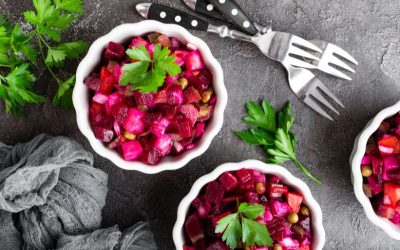
Chopped nuts when the base is soft—pistachios with beets, almonds with tender greens.
And seeds when they fit, like pumpkin seeds on salads or pomegranate when it’s in season.
I add the crunch at the very end so it stays itself and doesn’t sag into the dish.
The table test
If a plate tastes fine but doesn’t go anywhere, I give it bite.
It’s seasoning by another name.
When someone asks why the carrots are so good, I don’t point to the brown butter first.
I think about the capers. The crumbs. The little bit of resistance on top.
Roast the carrots the way you like, then finish with fried capers and rustic crumbs at the table.
The first bite explains the rest.