By Chef Alexis Hernandez
The Small Step That Changes Everything
Salting meat early is one of those things that seems too small to matter until you taste the difference.
Steak. Chicken. A pork roast. A turkey you have been thinking about for three days.
Salt them early and the whole thing changes.
I learned that in a professional kitchen. We were prepping racks of lamb for dinner service when the chef stopped me and said, “Get the salt on now. Don’t wait.”
Hours later, those lamb racks came out seasoned all the way through.
Not just on the surface.
Not just where the crust hit.
The whole bite tasted finished.
That was the day I understood this was not chef superstition.
It was timing.
Why It Works
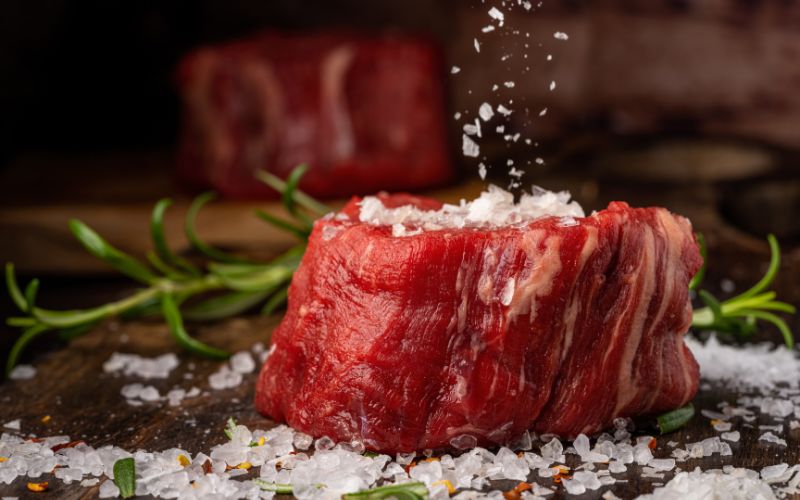
When you salt meat ahead of time, the salt starts pulling moisture to the surface. That moisture mixes with the salt, then works its way back into the meat.
Given enough time, the seasoning does more than sit on top.
That is the part people miss.
If you season right before cooking, the outside gets attention. If you season early, the whole piece has a chance.
It also helps with texture. The meat holds onto itself better.
You get more flavor, a better crust, and a juicier result once you cut into it.
You do not need a lab coat to know it works.
You just need to taste the difference.
Why It Matters More on Bigger Cuts
This matters on a steak, sure.
But it matters even more on the big things.
A whole chicken.
A lamb leg.
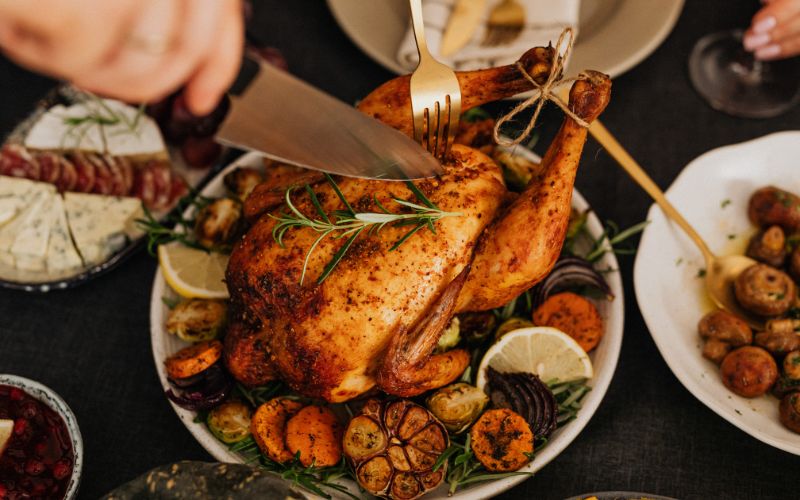
A turkey.
A brisket.
Those are the dishes that punish you for rushing.
If you have ever sat through a holiday meal chewing your way through a dry slice of turkey while pretending it was fine, then you already know what I mean.
Salt early and the bird tells a different story.
Dry Brine, Wet Brine, or Just Salt
Call it dry brining if you want.
Call it salting ahead if that feels less fussy.
Either way, it works.
And for me, it makes more sense than hauling around a bucket of salty water and trying to clear room in the refrigerator.
Wet brines have their place. But most of the time, I would rather use salt, time, and a tray.
No sloshing. No diluted flavor. No mess.
Just a better result.
How Far Ahead
This is the part people always ask me.
How early is early?
Here is the rough guide I use:
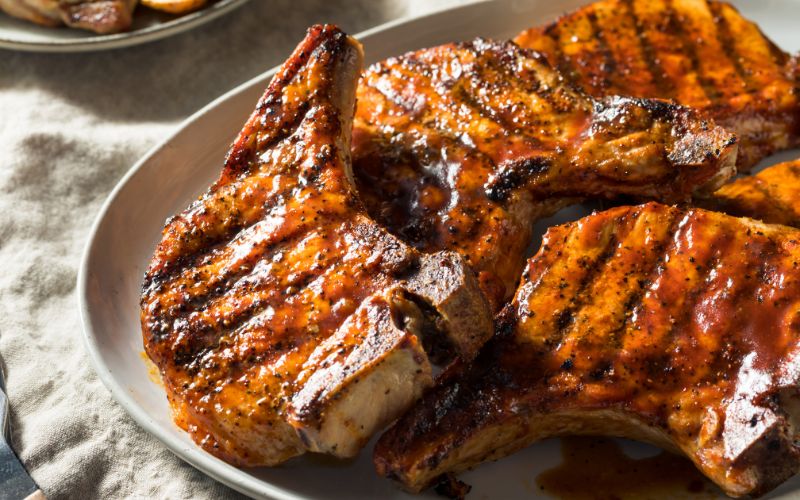
Small cuts like chicken thighs, pork chops, and steaks
Salt them 1 to 3 hours ahead.
Medium cuts like pork loin, lamb leg, and whole chicken
Give them 12 to 24 hours.
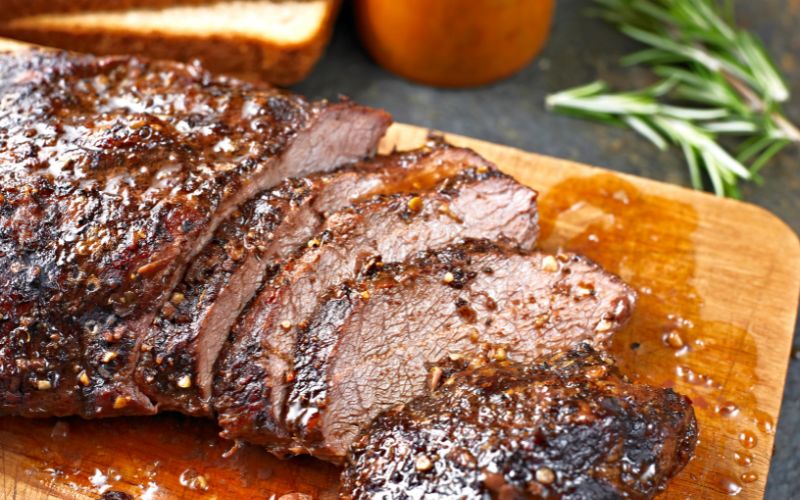
Big pieces like brisket or a holiday turkey
Give them 24 to 72 hours.
The bigger the cut, the more time it needs.
That is it.
The Other Thing It Gives You
It is not just about juicy meat.
It is also about peace.
When the salt is already on, one more thing is already done. On a holiday, that matters. On a weeknight, it matters too.
Your future self walks into the kitchen ahead instead of behind.
That is not nothing.
The Mistake I Still Remember
I skipped this step once for a catered event.
I was tight on time, behind on prep, and told myself it would be fine if I seasoned late.
It looked good when it came off the grill. Beautiful, even.
Then I sliced into it.
The outside had flavor. The inside did not.
That was enough for me.
I have not skipped the early salt since.
Before the Holidays Get Here
Do not wait until Thanksgiving to try this.
Salt chicken thighs early this week. Do it with pork chops. Try it on a steak and pay attention when you cut into it.
You will feel the difference before the holidays ever arrive.
And by the time the big meal does, you will not be guessing.
You will already know.
The Real Reason I Do It
I used to think salting early was about being organized.
Now I think it is about respect.
For the meat.
For the meal.
For the people sitting down to eat it.
Because when something as small as timing can make dinner better, why wouldn’t you do it?
And maybe that is what I keep coming back to in the kitchen.
Not the dramatic fixes. Not the flashy ones.
Just the quiet decisions that make the whole thing turn out better.
The kind nobody notices when you do them right.
Only when you don’t.
Chef Alexis Hernandez writes The Other Side of the Stove. His work has also appeared in News of Sun City Center and South County, and he has appeared on Food Network Star and Cutthroat Kitchen.