By Chef Alexis Hernandez
The bakery I imagined
When I first started working in a bakery, I thought real baking meant flour, butter, eggs, and everything from scratch.
Then I saw the cake mix bags, and the way I thought about box cake mix started to change.
I thought I would be surrounded by bakers weighing flour, sugar, and baking soda with quiet precision.
I imagined butter on the counter, eggs being cracked, and cakes built from scratch the way people like to imagine real baking happens.
Then I started training, and that’s when I noticed the cake mix bags.
Of course I saw flour.
But I also saw the cake mix bags.
Vanilla for vanilla cakes. Chocolate for chocolate cakes. Red velvet for red velvet cakes.
They weren’t hidden. Nobody whispered about them.
Nobody looked embarrassed.
Nobody acted like this was unusual.
Wait a minute. Is this really how they make them?
So I asked.
You use the bag mix that matches the cake, and then you amend it with other ingredients to give each cake its own flavor and texture?
Yes.
That was the answer.
And I remember standing there a little curious, a little judgmental, and a little disappointed.
Because people were spending good money on those cakes, and in my head, I thought they were paying for butter, flour, eggs, and the story people like to tell themselves about what real cake is.
What the Bakery Taught Me About Box Cake Mix
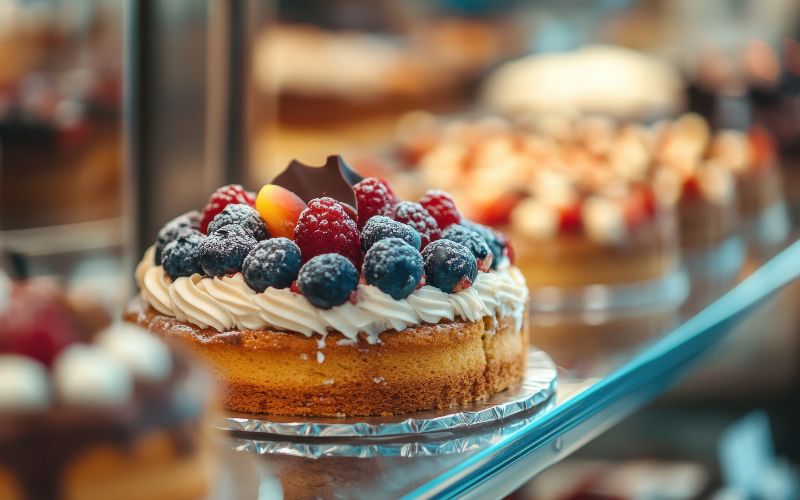
This was a neighborhood bakery. They baked pies, served coffee, and made the cakes people ordered for birthdays and gatherings.
People picked them up for holidays too. Valentine’s Day. Memorial Day. Christmas. Even Hanukkah.
Vanilla cakes. Chocolate cakes. Red velvet.
The kind of cakes that show up at tables where people actually want dessert.
And no, they weren’t just dumping mix into a bowl and calling it a day.
They worked with it.
Sometimes they added more flour. Sometimes chocolate.
They adjusted things depending on the cake they were making and the texture they wanted.
That part mattered.
The mix was the start, not the whole story.
What stayed with me most was how little drama there was around any of it.
Customers still ordered the cakes. People still served them at birthdays and holidays.
Some of them probably knew exactly how those cakes started.
They just cared more about whether the cake tasted good.
That was the part I had wrong. I thought people were buying the romance of scratch baking. Most of them were buying dessert.
When I Tried Box Cake Mix at Home
That stayed with me.
Years later, I tried it at home.
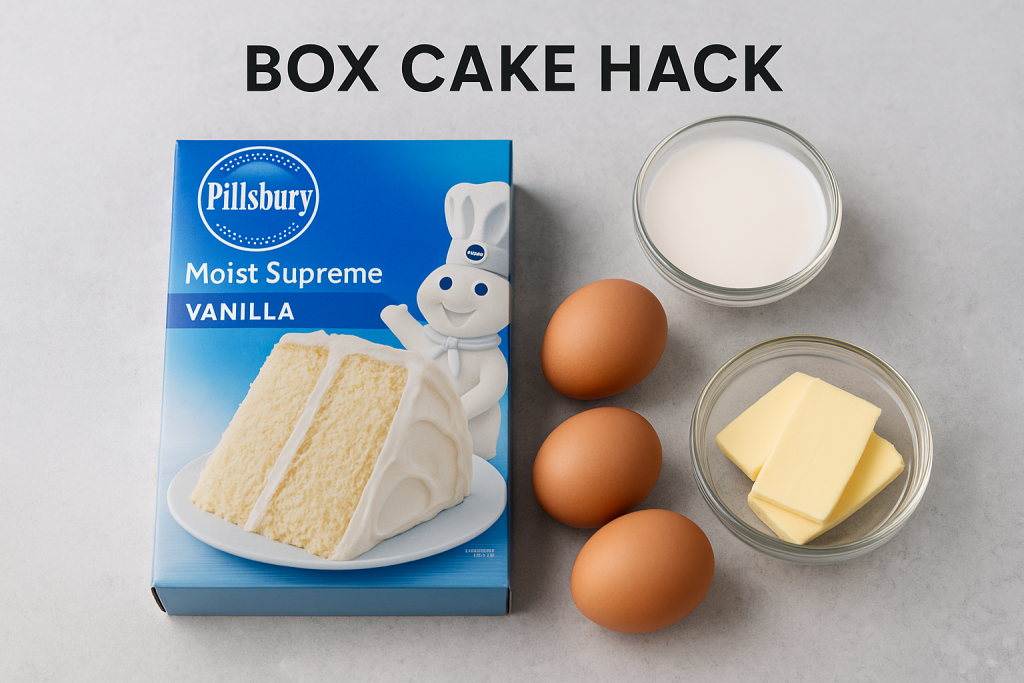
Not with giant bakery bags this time, but with supermarket box mixes. Duncan Hines, Pillsbury, Betty Crocker. Whatever was on the shelf.
And once I stopped treating the box like a moral failure, I started treating it like an ingredient.
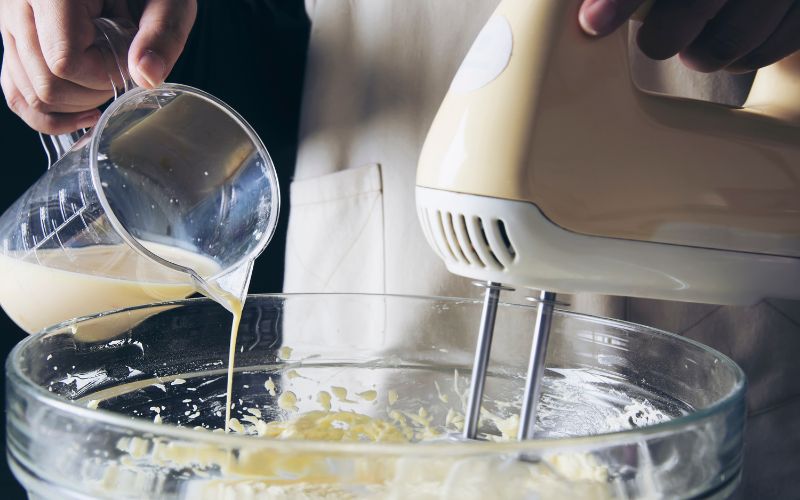
Butter instead of oil.
Milk instead of water.
An extra egg.
That’s when it started to make sense.
The cake didn’t taste like box cake anymore.
It tasted fuller.
Richer.
More like the kind of cake people are hoping for when they ask for a second slice.
Scratch is not the only way to care
When I bake, I still like making things from scratch.
That part of me never left.
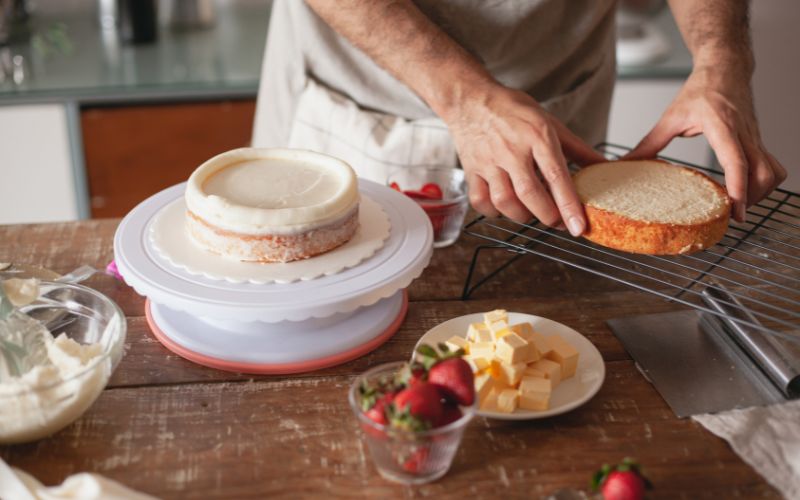
But I’ve done the side-by-side test. One cake from scratch. One cake from a box with a few smart changes.
And yes, I could tell the difference, because I was looking for it.
But for a home cake, the difference was negligible.
People want baking to be a morality play.
Scratch good. Box bad. Shortcut equals cheating.
I don’t buy that anymore.
Good cake matters more than cake mythology.
I’ve seen that same kind of judgment happen with savory food too, especially in The Fried Chicken Salad I Almost Left Off the Menu.
What actually matters
I learned that lesson in a bakery, but it applies far beyond cake.
People love the story of food almost as much as the food itself.
They want to believe the best things always begin with more labor, more measuring, more effort.
Sometimes they do.
Sometimes a good cake starts with a box, gets a little help, and still disappears by the end of the party.
I used to think people were buying the story of scratch baking.
Most of the time, they’re buying cake.
And if the plate comes back empty, that story usually tells you enough.