The First Lesson in Tasting
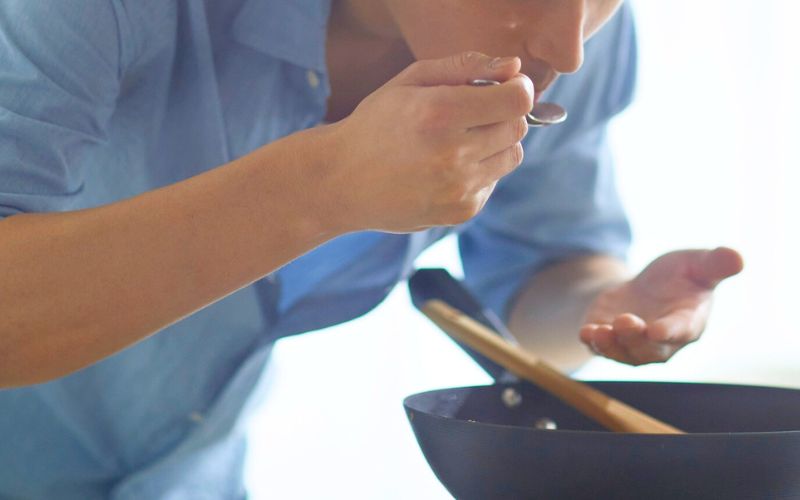
In culinary school, Chef Mueller made tasting feel non-negotiable.
He’d walk past your station, glance at the pot, then look at you like he already knew the answer.
“You need to taste every step,” he’d say. “So you know what went wrong and where it happened.”
It wasn’t dramatic.
It was just how real cooking works.
The fennel salad that fell flat
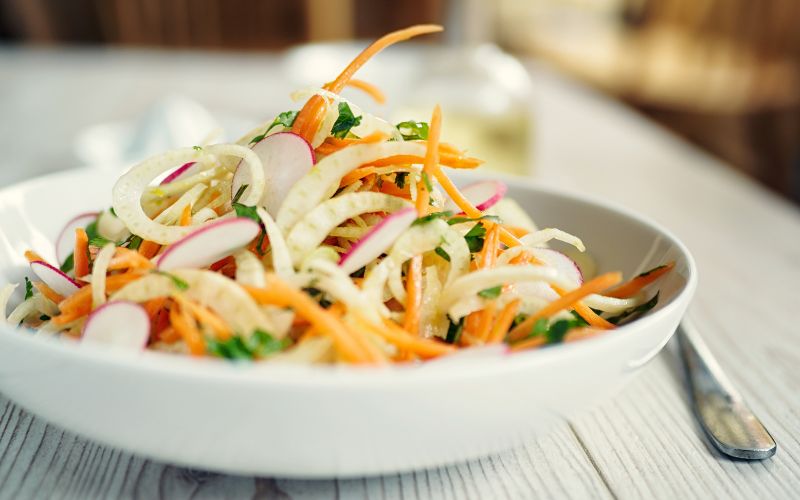
Early in my career, I was making a fennel salad at a restaurant.
I followed the recipe exactly. I built the vinaigrette the way I was taught. I plated it with the confidence of someone who thinks the paper is the authority.
The head chef tasted it and didn’t hesitate.
“This needs more acid.”
I told him I followed the vinaigrette recipe.
He didn’t argue with me. He just repeated the point.
“Taste every step.”
We added more citrus. The whole thing woke up.
That was the day I stopped hiding behind recipes.
Why even experienced chefs forget
This is the part that surprises people.
Even experienced chefs skip tasting sometimes.
Not because they don’t know better. Because the kitchen moves fast and the brain starts cutting corners.
You plate and adjust the heat then keep going.
And the easiest thing to skip is the spoon.
In professional kitchens, you learn small habits that keep you honest. A quick taste of vinaigrette before it touches greens. You also taste a spoonful of soup before it hits the pass. And you pause long enough to decide what it actually needs before saying this is good to go out to the guests.
Smell matters too. So does texture. But tasting is the moment where the truth shows up.
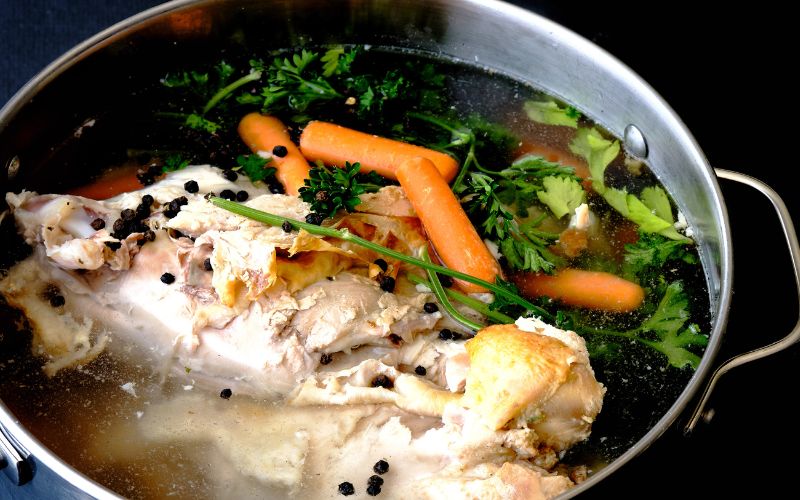
The Stock That Taught Me a Hard Lesson
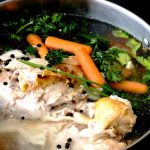
When I was cooking at home early in my career, I made a stock and salted it before reducing it—even though I’d been taught to salt at the end. I figured, “I know what I’m doing!”
Well, as the stock reduced, it turned incredibly salty because the liquid evaporated and left all that salt behind. I had to toss it out—lesson learned the hard way.
Sometimes you need to experience the failure yourself to understand the importance of tasting as you go.
Taste first. Then decide.
Tasting as you cook is not fussiness.
It’s how you learn what food does when it heats up, cools down, reduces, rests, or gets finished with acid.
It’s how you catch a dish before it goes too far and how you get better without needing anyone to tell you what’s missing.
I still hear Chef Mueller when I cook.
Then decide.