By Chef Alexis Hernandez
The dirty pan lie
In culinary school, we learned pan sauces in October.
Southern Indiana was cold, damp, and gray for weeks. Not much sun. A lot of stainless steel.
We were studying the classic sauces. The French foundations. The kind of lesson that sounds fussy until you taste what it actually does.
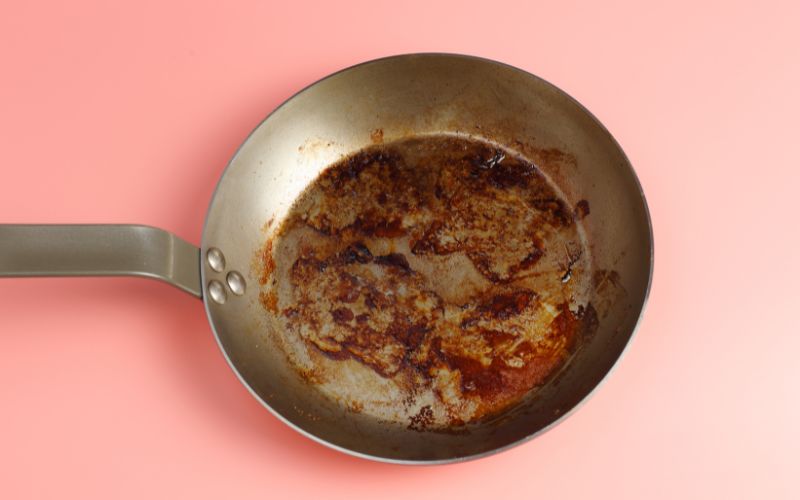
I remember standing at my station, looking down at a pan that seemed ruined.
Brown bits. Dark streaks. What anyone at home would call burnt.
So I figured I had messed it up.
I had sautéed a chicken breast, pulled it out to rest, and started vegetables in the same pan. The plan was simple. Finish everything in the oven. Call it dinner.
Then our instructor told us to deglaze.
Back then, that sounded like a chef word. Not a home-cook word.
It is not.
It is just the moment you stop treating the pan like a mess and start treating it like the best part.
The moment it clicked
Chefs call those brown bits fond.
At home, most people call it the part they are going to scrub off later.
I used to do that too.
For years, I cooked food in a pan, built flavor on the bottom, and then washed it into the sink.
That day in class, we deglazed with stock and a splash of wine.
The liquid hit the pan, steam shot up, and for a second it looked like I was making the problem worse.
Then I took my wooden spoon and scraped once.
All the brown came up.
Not in a sad, burnt way. In a glossy, savory way.
It looked like cleaning.
It tasted like sauce.
We reduced it until it tightened, then finished with a little heavy cream. Just enough to round it out.
I remember thinking, Wait. That was in my pan the whole time.
The brown stuff was not failure.
It was dinner trying to help me.
What you can use besides wine
Here is the myth people love repeating.
“You have to use wine.”
No.
Wine is great. I usually have white wine in the fridge, so it is often what I reach for.
But the rule is simpler than people think. Use a liquid with flavor, think of it as salting your food but with what is left in the pan.
Chicken stock. Vegetable stock. Beef stock. The last inch of beer you did not finish. Even citrus juice in the right moment.
The point is not the wine.
The point is not wasting what is already there.
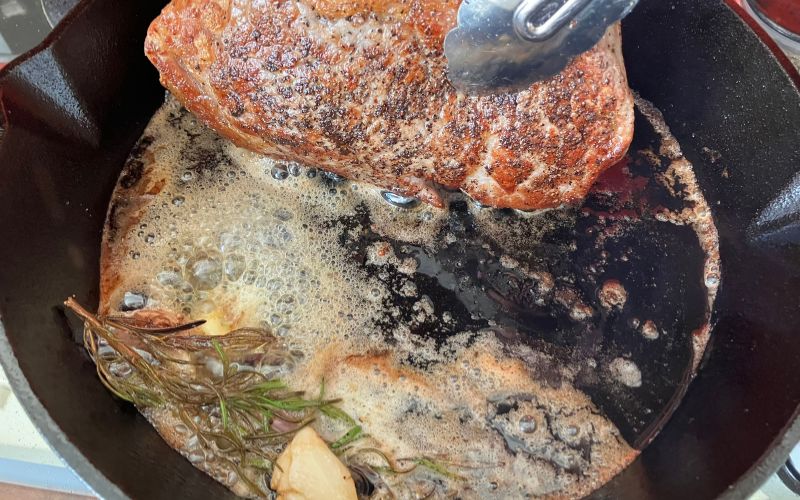
Pour it into a hot pan, scrape up what you thought was burnt, and let it reduce.
Taste it.
Stop when it tastes right.
That is the whole move.
How I use it now
I use that lesson all the time now.
Pork chops. Chicken breasts. Even weeknight vegetables if I have enough color in the pan.
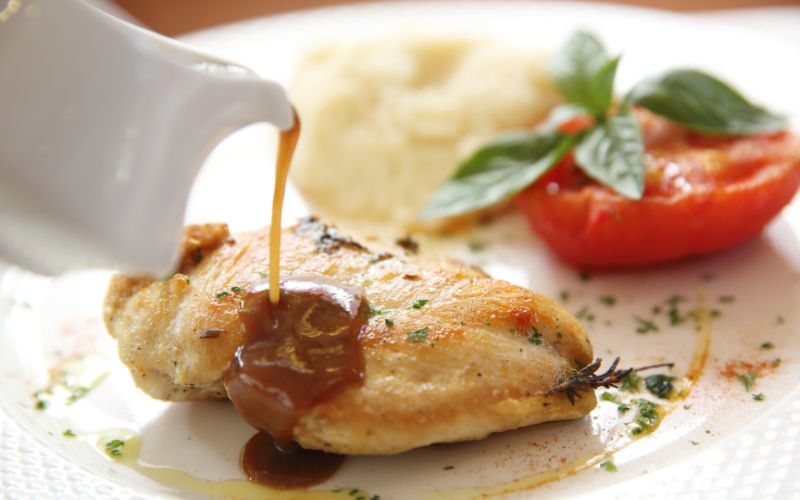
I sauté, pull the protein out, add a little liquid, scrape up the fond, and build from there.
Dijon if it wants sharpness. Butter if it needs softening. A splash of cream if the night calls for it.
The point is not to make it complicated.
The point is to stop throwing the best part away.
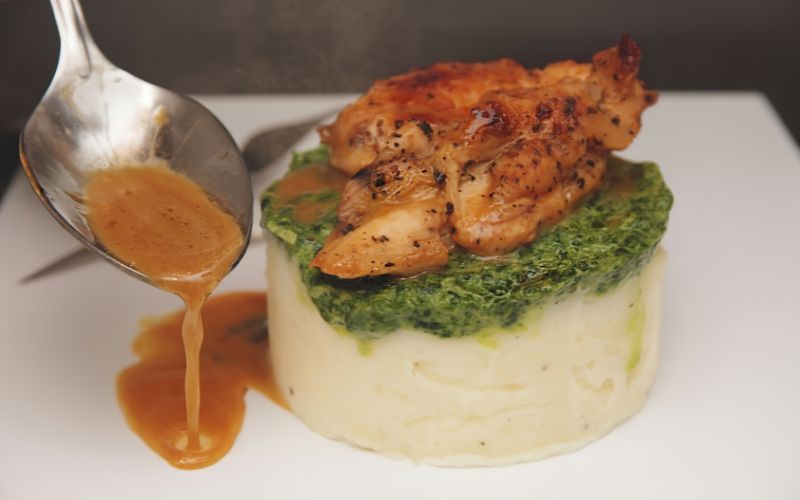
A spoonful of sauce can make simple food taste like you had a plan all along.
Do not wash it away
If you take nothing else from this, take this.
Do not waste the flavor stuck to the pan.
If you are going to wash it, wash it with something you would actually want to eat.
Then pour it over dinner.
Because most weeknight meals do not need more effort.
They need a better finish.
There are people who scrub a pan until it shines and call that done.
I would rather scrape up the good part and put it back on the plate.