Two Kinds of Cooks
By Chef Alexis Hernandez
Originally published July 2025. Updated March 2026.
There are two kinds of home cooks.
The ones who will hand you a family recipe with a smile.
And the ones who say something dramatic like, “Sorry, it’s a secret.”
That second kind has never made much sense to me.
A family recipe is not a museum piece. It is not a password. It is not something you lock away until the right person proves worthy of a teaspoon of cumin and a half-remembered story.
If a recipe matters, it should be cooked. Shared. Passed down. Changed a little. Argued over — and made again.
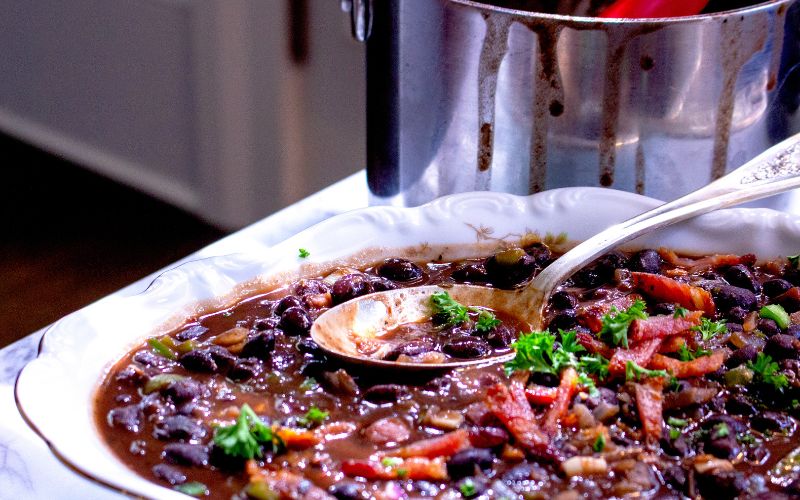
My father’s black beans taught me that.
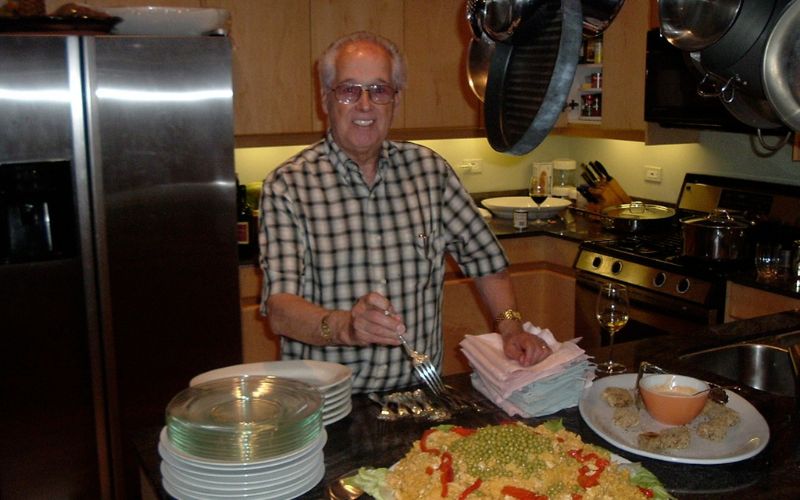
The real cook in our house
Those beans came straight from Cuba with him, handed down from his mother.
My father was the real cook in our house. My mom helped, but he was the one who played. He improvised. He tasted. He changed things without warning. He never measured anything, which used to drive me a little crazy.
I would watch him at the stove as he scooped cumin into his palm, then I would run behind him trying to measure it before it hit the pot, as if I could catch the secret in time.
But he never treated it like a secret.
That was the lesson.
He cooked the way a lot of people from that generation cooked — by feel, by smell, by memory. One day the beans had bell pepper. The next day they did not. One pot leaned smokier. Another leaned softer. But they were always his.
And they were always good.
He was doing things long before food people gave them better language. Saving chicken skin and frying it until it turned crisp and salty and impossible to leave alone. Making something unforgettable out of what was already in the kitchen. Before nose-to-tail became restaurant copy, it was just dinner.
And somewhere nearby, there were always beans.
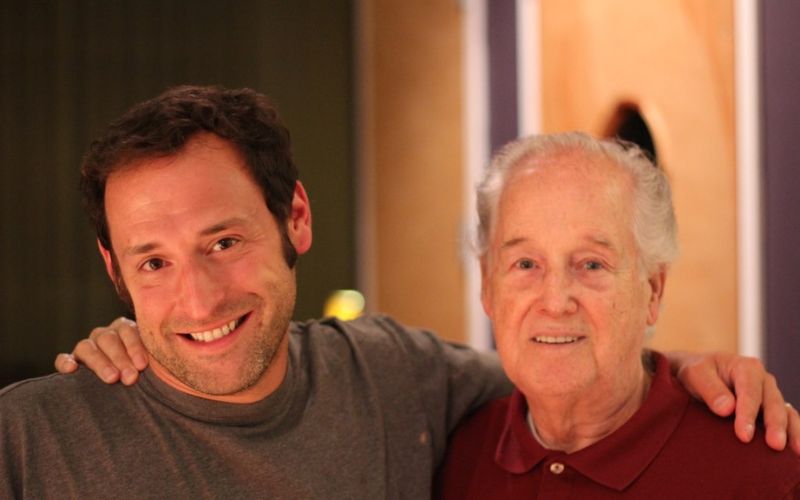
A pot on the stove meant home
Black beans. Red beans. White beans. Garbanzos.
There was almost always a pot on the stove.
Next to it, an iceberg salad. Chopped or torn by hand. Goya olive oil. White vinegar. Sharp enough to make you pucker.
That kind of meal does not look impressive to everybody.
But I do not trust everybody.
Some foods do not need a better publicist. They just need somebody who knows what they are looking at.
That is how I think about family recipes too. They are not valuable because they are rare. They are valuable because they fed somebody long enough to be remembered.
The moment I knew I had to write them down
Years later, when my parents stayed with me on the farm for a month, I had a thought that stopped me cold.
If I do not write these down, they go with him.
Not just the black beans. All of it.
The little turns. The habits. The choices that never made it onto paper because nobody thought they had to.
That is the danger with family recipes. People talk about them like they are protecting something by keeping them close. Sometimes what they are really protecting is the recipe’s chance to survive.
Because once the cook is gone, so is the hand that knew when to add more cumin, when to leave out the pepper, when the pot had finally become what it was trying to be.
And then what you miss is not only the taste — it is the person.
So I started writing.
One recipe at a time.
Trying to turn what he carried in his hands into something the rest of us could still hold on to.
The recipe is not the end of the story
My siblings and I all cook those foods differently now.
That does not bother me.
It comforts me.
Somebody adds something. Somebody leaves something out. Somebody keeps it closer to his version. Somebody bends it toward their own life.
That is exactly what should happen.
A recipe that never changes is usually a recipe that stopped living.
I do not believe in handing down food like a fragile object nobody is allowed to touch. I believe in handing it over warm. Letting the next person stir it, salt it, adjust it, and make it part of their own table.
That is how recipes stay alive — not by staying the same.
By surviving contact with another cook.
The real secret
So no, I do not believe in secret family recipes.
I believe in recipes with roots.
I believe in food that carries memory.
I believe in writing things down before grief turns details into fog.
And I believe the real secret was never in the pot anyway.
It was in being close enough to the stove to learn and it was in the person who fed you often enough that the taste became part of how you remember love.
That is what gets passed down.
Not just the beans — the instinct to make them for somebody else.