The Missing Four Ounces
Acid in cooking is the thing I used to treat like a garnish.
Nice if you have it.
Not fatal if you don’t.
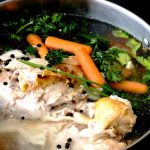
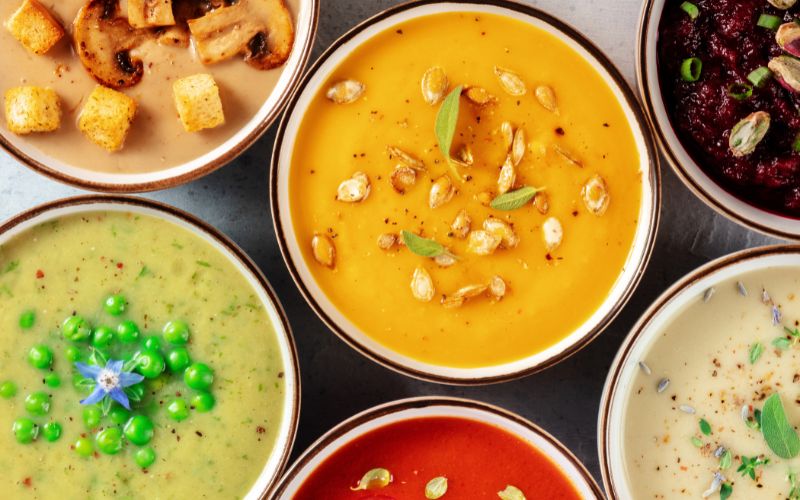
Then I made four gallons of chicken orzo soup in a Louisville restaurant kitchen, staging after culinary school, trying to earn my wings in the kitchen.
The stock was slow-simmered.
The aromatics were right.
The chicken was pulled exactly how the chef liked it.
It was almost there, except I skipped the lemon juice.
Not because I forgot.
Because we were out of lemons in the walk-in.
I told myself what are four ounces of lemon juice going to do.
Turns out, everything.
When “Fine” Isn’t Finished
At lineup, the executive chef tasted the soup and stopped.
“Who made this?”
“I did, Chef.”
“You follow the recipe?”
“Yes. Well—no.”
“It’s either yes or no. Which one?”
He wasn’t yelling. That was worse.
He said the soup wasn’t bad.
It was just heavy.
Like the flavors were all sitting down.
The whole pot tasted dim.
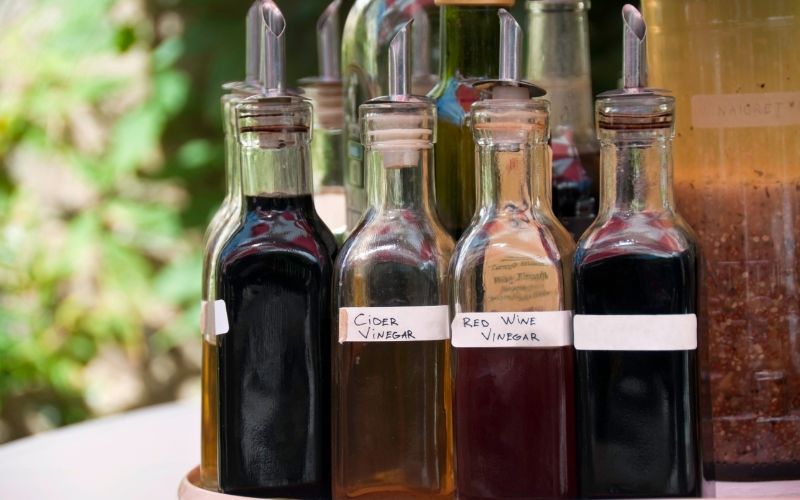
We had white wine vinegar in gallons.
I didn’t ask if I could use it because I didn’t speak up.
I decided it didn’t matter.
It did.
Why acid in cooking is not about tasting lemon
That moment followed me into my own food years later.
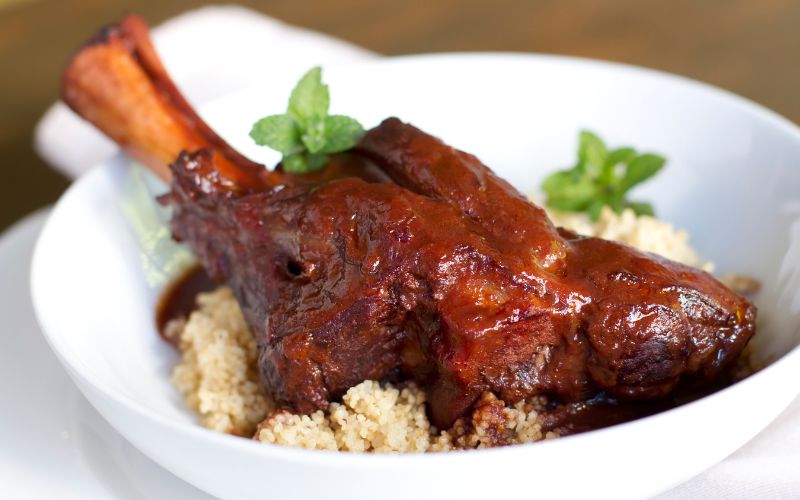
At my restaurant, I used to finish lamb shanks with a small splash of lemon juice.
Not enough to taste lemon but just enough to sharpen the edges of everything already there.
Rosemary.
Garlic.
The richness of the braise. I remember one night, a guest asked to meet the chef.
They said the lamb tasted vivid.
Vivid is not a word people use by accident.
I kept it.
That’s the trick with acid in cooking.
It doesn’t need to shout.
You’re not trying to make food taste like vinegar.
You’re trying to make food taste like itself.
When a dish tastes fine, what I do next
When something tastes flat, most people reach for more salt.
Or more garlic.
Or more fat.
Sometimes that helps.
But if the food tastes like it’s blended into one note, the fix is usually brightness.
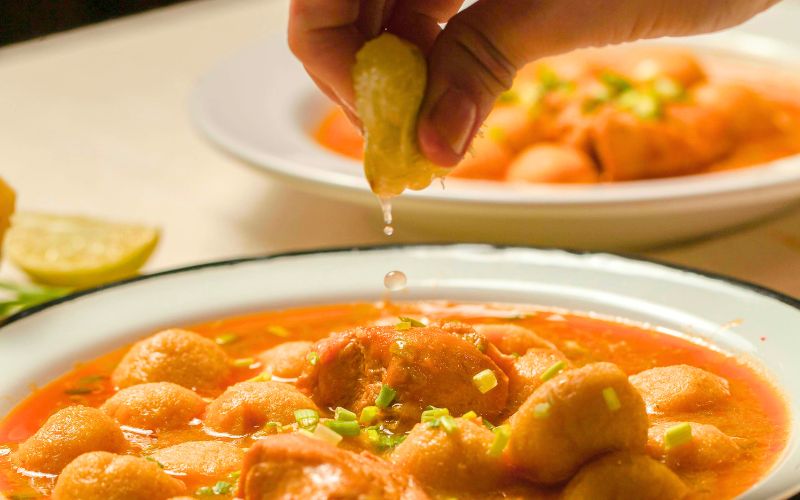
A squeeze of lemon.
A spoonful of sherry vinegar.
A splash of wine.
Even a small hit of something sharp in a pan sauce.
Acid pulls a dish into focus.
It wakes up what’s already working and it’s also the easiest way to balance fat.
If you’ve got a fat-forward bite, like breaded pan-fried chicken, lemon at the end doesn’t fight the fat.
It finishes it.
If you want a simple place to practice, start where I did.
Soup.
Beans.
Tomatoes.
Anything that tastes good but not fully awake.
In Small Acts of Resistance, Like Adding Salt, I talk about why seasoning is a decision, not a vibe.
This is the other half of that lesson.
And if you’ve ever made a vinaigrette that turned muddy, the fix is the same.
More acid, not more effort.
Sometimes the difference between “good” and “done” is a lemon you almost didn’t bother with.
And now, when a dish tastes like it’s behaving but not living, I don’t reach for more salt first.
I reach for brightness.