By Chef Alexis Hernandez
The diner question
I learned this the way a lot of college lessons arrive. Late.
In Chicago, my friends John and Louis and I had a diner we loved on Broadway, the Melrose Diner.
Daytime eggs, late-night food, the kind of place you end up in when the night is not over but the dancing is.
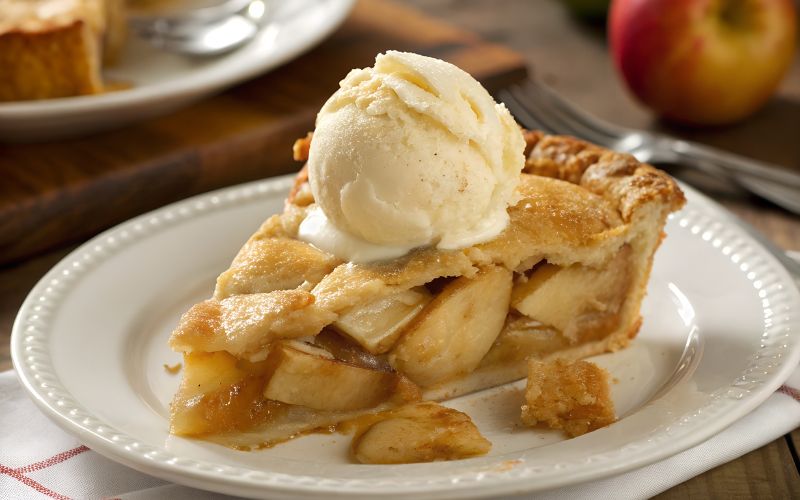
We would go in around 2:00 a.m., hungry and loud, order real food first, then I would get apple pie.
One night the server asked, “Do you want it warmed?”
Warmed. Apple pie?
In my house, dessert was tres leches or arroz con leche, both served cold. Pie was pie. You ate it the way it came.
“Sure,” I said.
She brought it back hot from the microwave with a bowl of vanilla ice cream. I took one bite with both, hot pie and cold ice cream, and it tasted better than it should have.
Not just good. Finished.
The next time, no one asked. The pie came out room temperature. It was fine.
That is when I noticed the difference.
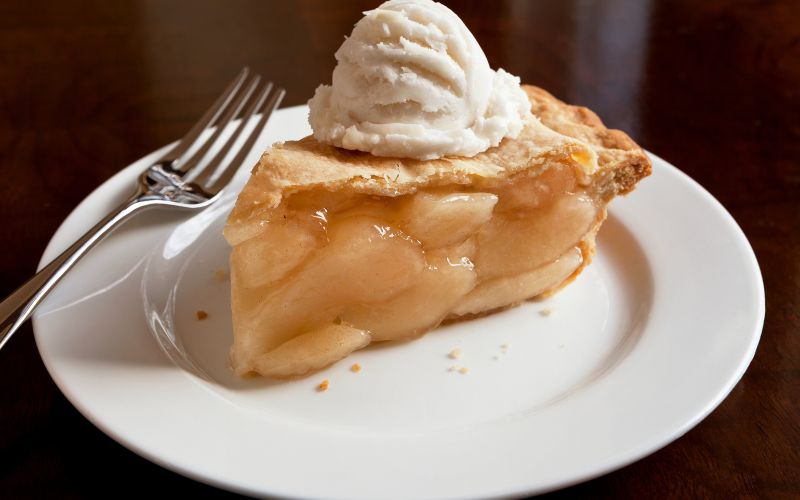
What temperature does
Most people think of temperature as logistics.
Hot food should be hot. Cold food should be cold. End of story.
But temperature changes what you notice.
Warmth opens things up. Aroma comes forward. Fat loosens.
Cold tightens things, sharpens them, gives the bite edges.
When hot and cold land together, flavor gets louder.
That is why a warm bowl matters. Why butter tastes different when it melts into something instead of sitting there.
Why a cold spoonful of crema can wake up hot beans faster than more salt will.
Before I reach for seasoning now, I ask a different question.
Is everything on the plate doing the same thing?
Because sometimes that is the problem.
Not the flavor. The temperature.
The sushi lesson
I saw the savory version of this in Los Angeles with my friend Doreen.
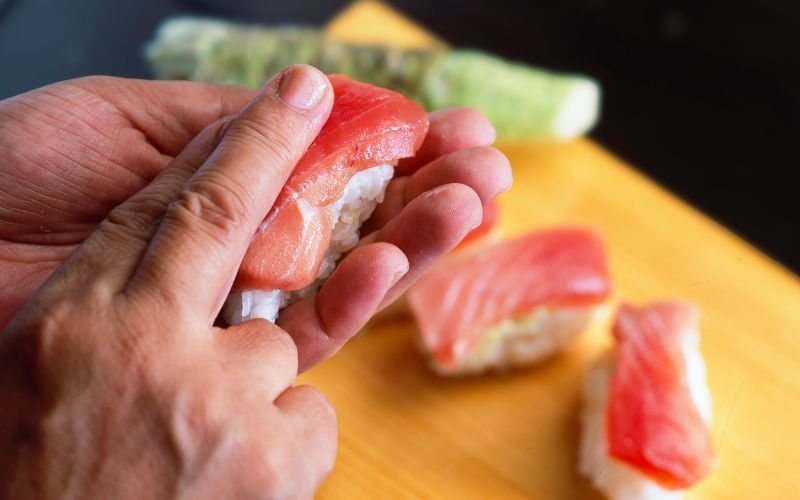
She took me to a sushi spot where the fish was cold, the way you expect, but the rice was warm, straight from the pot.
That warm rice changed the whole bite.
The fish tasted cleaner. The vinegar tasted brighter. The whole thing had more life to it.
If the fish and rice had both been cold, it still would have been sushi.
It just would not have had that same snap.
That stuck with me.
My salsa rule
Now I think about it at home in smaller ways.
Salsa is one of them.
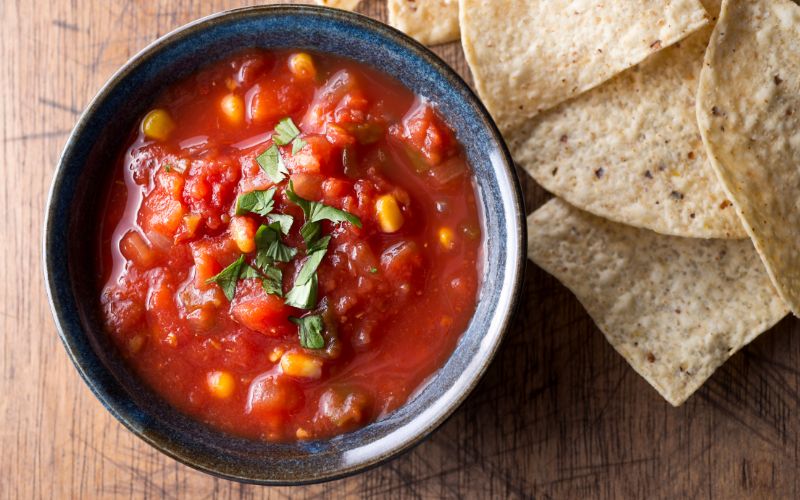
If I make it and serve it right away, it is good.
If I chill it, then let it lose that hard refrigerator edge before it hits the table, it is better.
Room temperature chips with cool salsa. A little contrast. A little movement in the bite.
That is the part people miss.
Sometimes food tastes dull not because it needs more salt, but because everything is landing at the same temperature.
And once everything feels the same, the whole bite starts to blur.
What I hear now
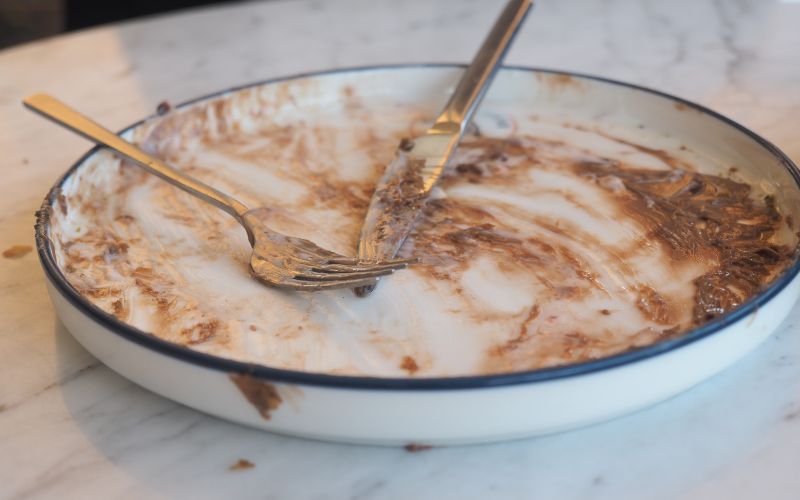
Now when someone asks if I want it warmed, I hear something different.
Not a diner question. Not a convenience question.
Do you want this to stay one note, or do you want it to have edges?
That is what I learned from the pie.
Not just that warm pie and cold ice cream taste good together. I learned that temperature can do some of the work people keep asking salt to do.
Some nights, I still think about that diner when dessert hits the table.
Hot.
Cold.
And suddenly the whole thing makes more sense.