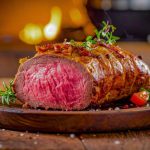
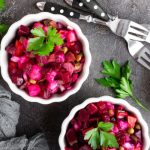
On a small farm with red cabinets and the Three Sisters watching the valley, I built a stuffing that sounds like home—cornbread, tostones, chorizo, and bourbon-cherries. It’s the dish that stuck.

On a small farm with red cabinets and the Three Sisters watching the valley, I built a stuffing that sounds like home—cornbread, tostones, chorizo, and bourbon-cherries. It’s the dish that stuck.

Farm tariffs and local farmers are colliding. USDA and Reuters show costs rising and exports shrinking. The squeeze is worst for small growers, which means fewer local tomatoes and less flavor on the table. This is not doom. It is erosion. And it changes how we cook and eat.
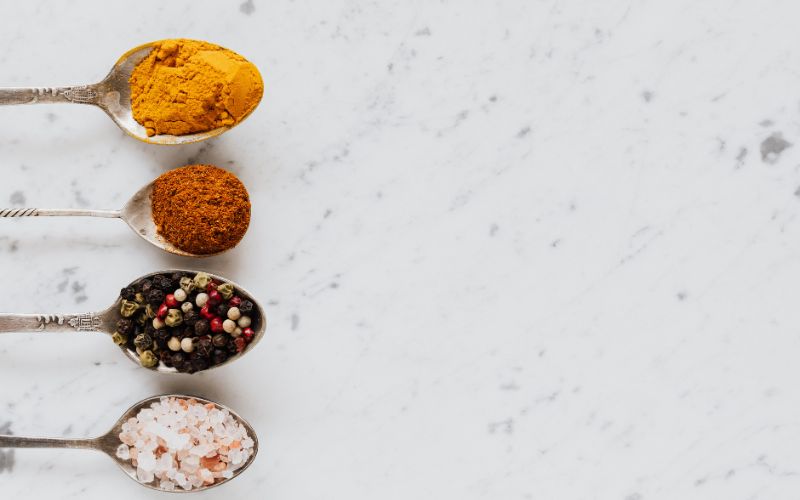
Spices are the building blocks of global flavor—but recent recalls and rising tariffs are forcing American cooks to rethink what’s really in the jar.
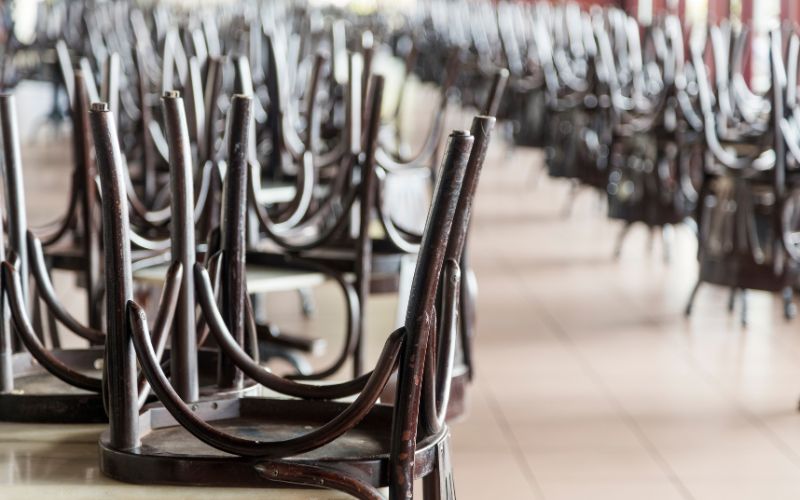
Restaurants in Miami are closing—again. But this time, it’s not COVID. It’s something slower, quieter, and just as brutal. From the other side of the stove, here’s what it really feels like.
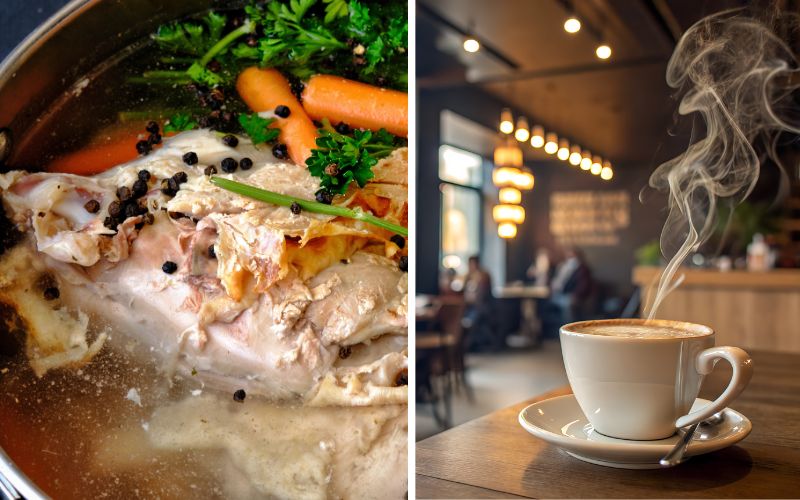
Everyone assumes chefs spend Saturdays stirring stock or hand-rolling pasta. But here’s what my weekend actually looks like and why that matters.
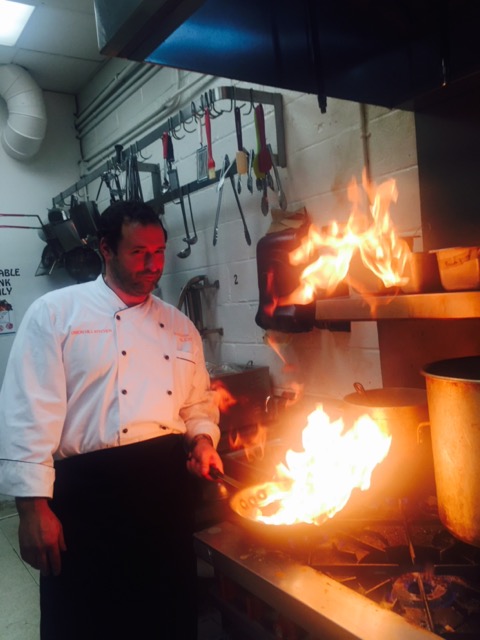
After years on the restaurant side of the stove, Chef Alexis Hernandez writes about why she started The Other Side of the Stove and what this space means in her life now.